Last Updated on August 7, 2026 by Luxe
A damaged tooth can affect much more than the appearance of a smile. Cracks, extensive wear, decay, and structural weakness may interfere with comfortable chewing while leaving the remaining tooth vulnerable to further deterioration. Restorative dentistry focuses on rebuilding that compromised structure while preserving function wherever clinically possible.
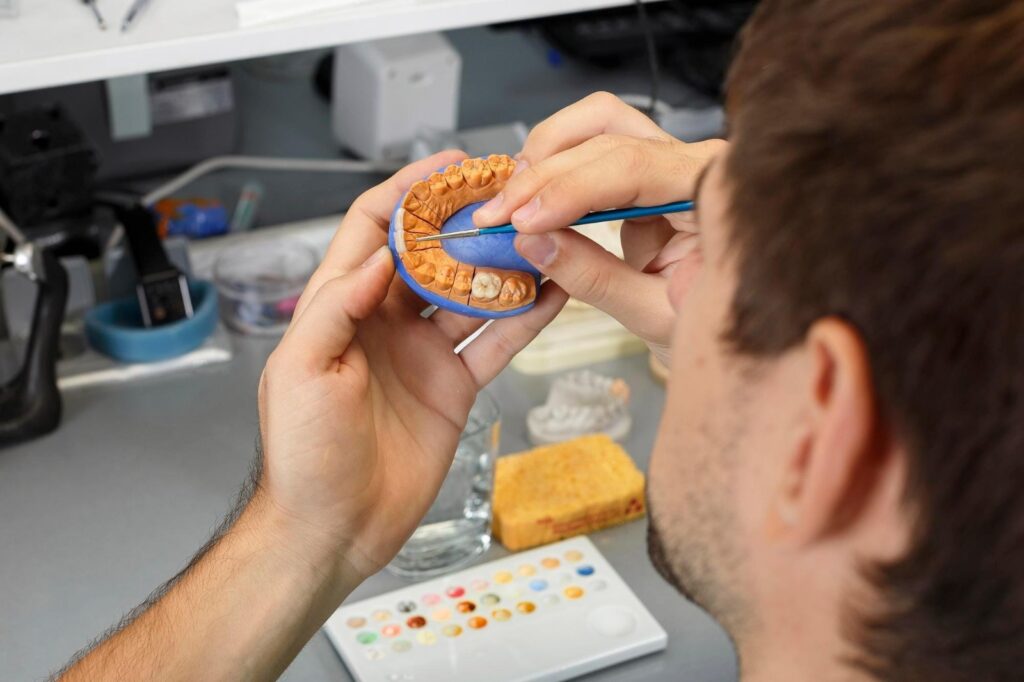
When a tooth requires more coverage than a conventional filling can provide, a dental crown Dubai treatment may be considered after a professional examination. A crown covers the visible portion of the prepared tooth, helping restore its shape, strength, and function. Material selection and treatment planning depend on the location and condition of the affected tooth.
Understanding When a Tooth May Need a Crown
Dental crowns are commonly associated with broken teeth, yet their restorative role extends to several other situations. A tooth weakened by substantial decay may need additional coverage, while a severely worn tooth can require reconstruction to restore its form. Crowns may also be used to protect certain teeth after root canal treatment.
Before recommending treatment, a dentist assesses how much healthy tooth structure remains and whether the underlying tooth can support the restoration. Bite forces, location in the mouth, surrounding teeth, and aesthetic expectations may influence the decision. These factors also help determine which restorative material is appropriate for the individual case.
- Teeth weakened by extensive decay may require protective coverage.
- Broken or heavily worn teeth can sometimes be restored with crowns.
- Certain root canal-treated teeth may need additional structural protection.
- Crowns can also form part of bridge and implant restorations.
Choosing a Crown Material for Different Dental Needs
Crown materials have distinct characteristics, so selection should be based on more than appearance alone. Medical Centers provide porcelain, PFM, E-Max, and zirconia crown options. The location of the restoration, expected biting forces, remaining tooth structure, and desired appearance can all influence which option is recommended.
A front tooth, for example, may place greater emphasis on translucency and shade integration, while a posterior tooth must withstand substantial chewing pressure. Material choice should therefore follow a dental assessment instead of being based solely on popularity. Each restoration must function comfortably within the patient’s existing bite.
Porcelain Crowns
Porcelain can provide an enamel-like appearance, making it particularly relevant when visible teeth require restoration. Its optical characteristics can help a crown coordinate with surrounding teeth. Shade, contour, and fit require careful planning so the finished restoration integrates appropriately with the smile.
Zirconia Crowns
Zirconia is recognized for considerable strength while still providing a tooth-colored appearance. This combination can make it suitable for cases where durability and aesthetics are both important considerations. Final suitability depends on tooth position, available space, bite characteristics, and the dentist’s clinical assessment.
E-Max Crowns
E-Max restorations are made using lithium disilicate ceramic and are designed to combine aesthetic qualities with structural performance. Their translucency can help recreate characteristics associated with natural enamel. They may be considered for selected restorative cases after the dentist evaluates the tooth and functional requirements.
PFM Crowns
Porcelain fused to metal crowns combine an underlying metal structure with an exterior porcelain layer. The internal framework provides support, while the porcelain surface contributes to a tooth-like appearance. PFM restorations can be considered for both front and back teeth depending on individual restorative needs.
What Happens During Crown Treatment
Crown treatment begins with a thorough examination of the affected tooth and surrounding oral structures. The dentist determines whether the tooth is suitable for restoration and identifies any dental concerns that should be addressed beforehand. Preparation generally involves reshaping the tooth to create sufficient room for the selected crown.
- The affected tooth and surrounding tissues are clinically evaluated.
- Tooth preparation creates the necessary space for the restoration.
- Impressions or digital scans help record dimensions and bite relationships.
- The finished crown is checked for fit and comfortable function.
Why Crown Fit Matters Beyond Appearance
A restoration should not simply resemble a natural tooth. Its shape must also work with the opposing teeth during biting and chewing. A crown that does not integrate correctly with the bite may feel uncomfortable, which is why placement involves careful evaluation and adjustments when required.
At the margins, precision is equally important because the crown meets the prepared natural tooth. Oral hygiene remains essential around this area. Patients still need to brush properly, clean between teeth, and attend recommended dental examinations because the natural tooth beneath the restoration can remain susceptible to dental problems.
Protecting a Crown After Treatment
Daily care plays an important role in maintaining both the restoration and surrounding oral tissues. Although crowns are designed to tolerate normal oral function, they are not indestructible. Biting very hard objects, chewing ice, or using teeth to open packaging can place unnecessary stress on both restored and natural teeth.
Maintain Consistent Oral Hygiene
A crowned tooth still requires routine brushing and interdental cleaning because the restoration does not make the underlying tooth immune to decay. Particular attention should be given to the crown margin and nearby gum tissue. Consistent home care supports both restorative longevity and broader oral health.
Avoid Unnecessary Pressure
Dental restorations are intended for everyday biting and chewing, but excessive pressure can still cause damage. Very hard foods and non-food objects can place concentrated force on a crown. Sensible eating habits help reduce avoidable stress on both the restoration and surrounding teeth.
Final Thoughts
Could restoring one compromised tooth make everyday eating and smiling feel easier again? The answer starts with determining why the tooth has weakened and choosing a restoration suited to its condition. Patients searching for an affordable dental crown Dubai option should consider material suitability, clinical planning, restoration quality, and long-term oral care rather than evaluating treatment on cost alone.
For patients requiring restorative care, Queens Medical Center provides porcelain, PFM, E-Max, and zirconia crowns alongside dental bridge options in Dubai. Its dental services also include routine checkups, fillings, root canal treatment, implants, and other procedures that may be relevant to an individualized treatment plan. A consultation allows the dentist to assess the affected tooth and recommend an appropriate restorative approach.