Last Updated on January 8, 2026 by Luxe
How Honoring Your Physical Self Deepens Your Connection to Authentic Identity
We talk endlessly about discovering ourselves—our purpose, our authentic identity, our spiritual path. We explore our names, their meanings, their resonance with our souls. But there’s a fundamental truth many spiritual seekers overlook: you cannot fully know yourself while ignoring the physical vessel that houses your consciousness.
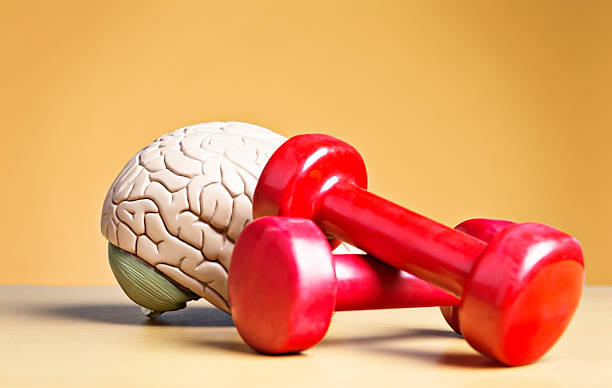
Your body isn’t separate from your spiritual journey—it’s the instrument through which you experience everything. When you’re exhausted from chronic sleep deprivation, your spiritual practices suffer. When you’re inflamed from poor nutrition, your emotional regulation falters. When you lack physical vitality, your creative expression dims.
True self-discovery requires honoring the sacred container of your physical body with the same reverence you bring to meditation, journaling, or any other spiritual practice. Here’s why physical wellness is inseparable from knowing yourself fully.
Sleep: The Foundation of Consciousness
You cannot access your higher self while running on four hours of sleep. Chronic sleep deprivation literally impairs the brain regions responsible for self-awareness, emotional regulation, and spiritual insight.
The Science of Sleep and Consciousness:
During deep sleep, your brain consolidates memories, processes emotions, and integrates experiences into your evolving sense of self. REM sleep is when your subconscious processes symbolism, works through psychological material, and generates the dreams that often carry profound personal meaning.
When you’re sleep deprived, you’re operating from survival brain—reactive, defensive, unable to access the reflective awareness required for genuine self-discovery.
Understanding Your Sleep Debt: The Sleep Debt Calculator helps quantify accumulated sleep deprivation. If you’re chronically getting 6 hours when you need 8, you’re accumulating 14 hours of sleep debt weekly—nearly a full night’s sleep you’re missing every week.
This debt manifests as:
- Dulled intuition and disconnection from inner wisdom
- Emotional reactivity preventing centered responses
- Brain fog obscuring mental clarity
- Reduced capacity for the patience and presence spiritual practices require
You cannot do deep personal work while your nervous system is in chronic stress from inadequate rest. Honoring your sleep needs isn’t laziness—it’s prerequisite for the consciousness required for authentic self-discovery.
Movement as Embodied Meditation
Spiritual traditions worldwide recognize movement as sacred practice—yoga, tai chi, walking meditation, ecstatic dance. These aren’t just exercise—they’re methods of accessing embodied wisdom that intellectual understanding alone cannot reach.
Why Movement Matters for Self-Knowledge:
Somatic Awareness: Your body holds memories, trauma, and wisdom that your conscious mind doesn’t access. Movement practices bring this somatic knowledge into awareness, revealing aspects of yourself that remain hidden in purely cognitive exploration.
Energy Cultivation: Spiritual traditions speak of chi, prana, life force. Physically, we call this cardiovascular health, metabolic function, mitochondrial capacity. The principle is the same—movement cultivates the vital energy that animates consciousness.
Emotional Release: Emotions store in the body. Movement—especially rhythmic, repetitive practices—releases stored emotional energy, creating space for new insights and authentic feelings to emerge.
Presence Practice: Focused movement requires presence. Whether lifting weights with proper form or holding yoga poses, you’re training the same mindful awareness used in meditation.
The person who meditates daily but never moves their body is accessing only partial self-knowledge. The body has wisdom that reveals itself through movement.
Nutrition as Self-Respect
What you put in your body reflects how you value yourself. Chronic poor nutrition isn’t just a health issue—it’s a statement about self-worth and self-care.
Food as Energetic Practice:
Spiritual traditions have always recognized food’s impact on consciousness—fasting for clarity, specific diets for spiritual practices, mindful eating as meditation. Modern science confirms these intuitions: nutrition directly affects neurotransmitter production, inflammatory responses, and brain function.
The Self-Love Connection: Nourishing your body well is daily practice of self-love. Each meal is opportunity to say “I deserve to feel good. I’m worth the effort of proper nutrition.”
Conversely, consistently choosing foods that make you feel terrible is self-abandonment—ignoring your body’s signals and needs in ways that compound over time into disconnection from your physical self.
The Identity-Wellness Connection
Your identity—who you believe yourself to be—shapes your wellness behaviors. And your wellness behaviors, in turn, shape your identity.
The Cycle:
If you identify as “someone who doesn’t prioritize health,” you act accordingly—poor sleep, minimal movement, convenience eating. These behaviors make you feel worse, reinforcing the identity.
If you shift identity to “someone who honors their body as sacred temple,” behaviors align—prioritizing sleep, moving regularly, nourishing properly. These behaviors improve how you feel, reinforcing the new identity.
Breaking Free from Old Stories: Many people carry names and identities given to them—”the unhealthy one,” “the couch potato,” “someone with bad genetics.” These stories become self-fulfilling prophecies.
Changing your wellness is partly about changing your story. Who would you be if you treated your body as the precious, miraculous instrument it is?
The Marketplace of Transformation
Personal transformation requires tools, knowledge, and resources. The Fitness Marketplace represents modern approach to accessing transformation resources—programs, guides, and tools supporting your physical wellness journey.
This isn’t consumerism for its own sake. It’s recognizing that meaningful change often requires investing in proper guidance, structured programs, and expert knowledge rather than attempting everything through willpower and Google searches.
Just as you might invest in spiritual workshops, therapy, or personal development courses, investing in your physical wellness through quality programs demonstrates commitment to holistic growth.
Integration: The Path Forward
True self-discovery requires integration—not compartmentalizing spiritual growth, emotional health, and physical wellness, but recognizing them as inseparable aspects of whole-self evolution.
Practical Integration:
Morning Practice: Movement followed by meditation—warming the body, then settling into stillness Nutrition as Ritual: Mindful meal preparation and eating as daily spiritual practice Sleep as Sacred: Treating bedtime routine with reverence, recognizing sleep’s role in consciousness Body as Teacher: Listening to physical sensations, energy levels, and somatic wisdom as valid sources of self-knowledge
The Bottom Line
You are not a soul trapped in a body. You are an embodied consciousness—spirit expressed through physical form. Your body isn’t obstacle to overcome on the spiritual path—it’s the sacred instrument through which you experience everything.
Neglecting your physical wellness while pursuing spiritual growth is like trying to play beautiful music on a broken instrument. It’s possible to produce some sound, but you’ll never access the full range of expression available when the instrument is properly cared for.
Honor your sleep. Move your body regularly. Nourish yourself properly. These aren’t distractions from spiritual practice—they are spiritual practice.
The name you carry, the identity you claim, the authentic self you’re discovering—all express through the physical vessel of your body. Treat it with the reverence it deserves, and watch how much more fully you can embody who you truly are.
Your journey to self-discovery doesn’t bypass the body—it flows through it.