Last Updated on December 23, 2025 by Luxe
A new neighbor moving in is more than just a change of address on your street—it’s an opportunity to strengthen your community. Whether you live in a quiet suburb, a bustling city block, or an apartment building, a warm welcome can make a lasting impression. Small, thoughtful gestures can help newcomers feel at ease, reduce the awkwardness of first introductions, and lay the groundwork for positive, long-term relationships.
Start with a Friendly Hello
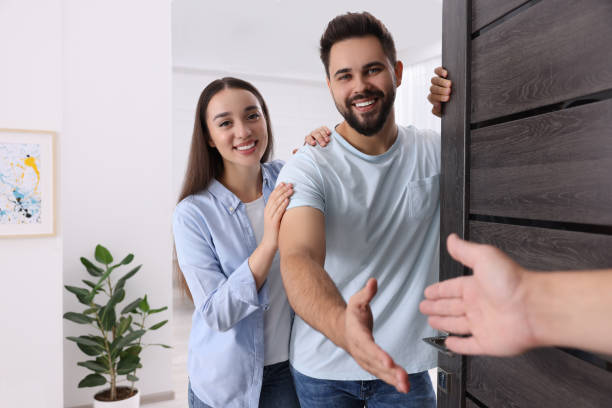
The simplest and most powerful way to welcome a new neighbor is to introduce yourself. A friendly wave, a smile, or a quick knock on the door can go a long way. You don’t need a long conversation—just a brief introduction, your name, and a genuine “welcome to the neighborhood” helps break the ice. Timing matters, so aim for a moment when they don’t look overwhelmed with boxes or movers.
Share Helpful Local Information
Moving to a new area often comes with a lot of questions. You can be incredibly helpful by sharing local insights. Point out the nearest grocery store, recommend a favorite café, or mention which trash day is pickup day. If there are neighborhood traditions, community groups, or online forums, letting them know makes them feel included and informed right away.
Offer a Thoughtful Welcome Gesture
A small welcome gift can leave a big impression. This doesn’t have to be elaborate or expensive. Baked goods, a handwritten note, or even a small plant are thoughtful options. In some neighborhoods, people like to give food gift baskets as a convenient and welcoming way to help new neighbors settle in without adding pressure for immediate social interaction. The key is to keep it simple and sincere.
Respect Their Space
While enthusiasm is great, it’s important to remember that moving is exhausting. New neighbors may appreciate kindness without feeling overwhelmed. Avoid dropping by too often or staying too long during your first interaction. Let them know you’re available if they need anything, then give them space to unpack and adjust.
Include the Whole Household
If your new neighbors have children or pets, small gestures tailored to them can be especially meaningful. Let parents know about nearby parks or schools. Mention pet-friendly walking routes or local vets if you have animals yourself. These details show thoughtfulness and help families feel supported as they adjust to their new surroundings.
Extend an Invitation—Casually
Invitations don’t have to be formal. A simple “Feel free to join us for a neighborhood barbecue” or “You’re welcome to come by if you see us outside” keeps things relaxed. This approach avoids pressure while still opening the door for future connections. Over time, these casual invitations often turn into genuine friendships.
Be a Good Example of Neighborly Behavior
Actions often speak louder than words. Keeping your property tidy, following neighborhood rules, and being considerate with noise all help create a welcoming environment. New neighbors often take cues from those around them, so modeling respectful, friendly behavior sets a positive tone for the entire community.
Use Small Acts of Kindness Over Time
Welcoming someone doesn’t end after the first hello. Holding a door open, offering to collect mail during vacations, or checking in during extreme weather builds trust gradually. These small acts reinforce that they’ve moved into a supportive and caring neighborhood.
Embrace Diversity and Differences
Every neighbor comes with their own background, culture, and lifestyle. Being open-minded and respectful helps everyone feel comfortable. A welcoming attitude doesn’t require sameness—it thrives on understanding and acceptance.
Building Community Starts with One Welcome
Welcoming a new neighbor isn’t about perfection; it’s about intention. Simple gestures, kind words, and respectful behavior can transform strangers into trusted neighbors. When people feel seen and valued, communities grow stronger, safer, and more connected. The next time someone new moves in next door, remember that a warm welcome can truly make a house feel like home.