Last Updated on December 29, 2025 by Luxe
Spain is a country that offers more than stunning beaches and Mediterranean sunshine. It is a nation defined by its rich history, vibrant traditions, diverse landscapes, and lively urban culture. Whether you’re drawn to centuries-old architecture, world-famous art, buzzing nightlife, or culinary delights, Spain’s cities have something unique to offer every traveler.
Exploring Spain is about more than ticking off tourist spots; it’s about immersing yourself in local culture and feeling the heartbeat of each city. Below, we’ll explore some of the top cities in Spain that no traveler should miss, each offering a unique flavor of the country’s spirit.
Barcelona – The City of Art and Innovation
Barcelona is one of Spain’s most iconic cities, blending the charm of Gothic architecture with the creativity of modernist design. It’s best known for Antoni Gaudí’s masterpieces, such as the Sagrada Família, Park Güell, and Casa Batlló, which have earned UNESCO World Heritage recognition.
Strolling along La Rambla, the city’s bustling promenade, offers a mix of street performers, cafes, and shops, while the Gothic Quarter reveals narrow medieval streets filled with history. Barcelona is also home to vibrant nightlife, a world-class culinary scene, and the lively beachfront at Barceloneta.
For art lovers, the Picasso Museum and Joan Miró Foundation provide deep insights into Spain’s cultural heritage. Whether you’re a history buff, foodie, or beach lover, Barcelona blends it all seamlessly.
Madrid – Spain’s Energetic Capital
Madrid, the capital, is a city where tradition and modernity coexist in perfect harmony. It’s home to some of the world’s greatest art collections at the Prado Museum, Reina Sofía, and Thyssen-Bornemisza, making it a must for culture enthusiasts.
The city is also famous for its expansive squares, such as Puerta del Sol and Plaza Mayor, where you can soak in the lively atmosphere. For relaxation, locals and tourists alike flock to Retiro Park, a green oasis in the middle of the bustling city.
Madrid is also celebrated for its gastronomy, offering authentic tapas bars, markets like Mercado de San Miguel, and fine-dining experiences. Football fans won’t want to miss a visit to the Santiago Bernabéu Stadium, home of Real Madrid.
Valencia – The City of Arts and Sciences
Valencia is a coastal gem known for its blend of futuristic architecture and historic charm. The City of Arts and Sciences complex, designed by Santiago Calatrava, is one of the most striking modern attractions in Spain, featuring an opera house, science museum, aquarium, and planetarium.
The historic center offers treasures like Valencia Cathedral, said to house the Holy Grail, and lively plazas lined with cafes. The city is also the birthplace of paella, Spain’s most famous dish, making it a culinary pilgrimage for food enthusiasts.
For those planning a trip, it’s important to consider essentials such as transportation, accommodation, and Spain Travel Insurance to ensure a smooth and secure journey. With its vibrant mix of culture, history, and modernity, Valencia is a city that truly caters to every kind of traveler.
Seville – The Heart of Andalusia
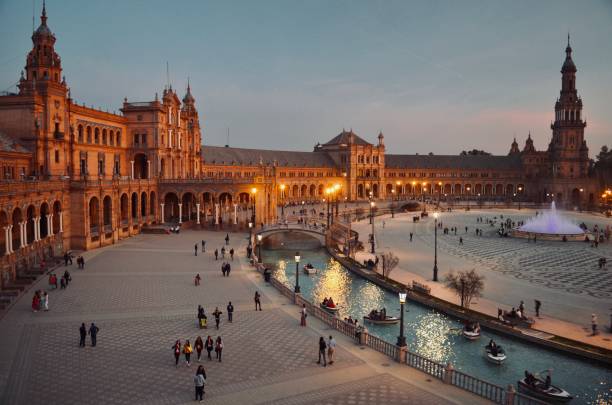
Seville is often described as the soul of Spain, embodying the essence of Andalusian culture. It’s home to the fiery art of flamenco, grand Moorish architecture, and lively festivals such as the Feria de Abril.
The city’s crown jewel is the Seville Cathedral, the largest Gothic cathedral in the world, where Christopher Columbus is buried. Nearby, the Giralda Tower offers panoramic views of the city. The Real Alcázar of Seville, with its intricate Islamic-inspired design, is another must-see landmark.
Evenings in Seville come alive with tapas hopping, live flamenco shows, and strolls along the Guadalquivir River. Warm, inviting, and full of tradition, Seville offers a cultural experience unlike any other.
Granada – Where Cultures Converge
Granada is a city where Islamic, Christian, and Jewish influences intertwine, creating a unique cultural mosaic. Its most famous attraction, the Alhambra Palace, is a masterpiece of Islamic art and architecture, with ornate palaces, tranquil gardens, and sweeping views of the city.
Wandering through the Albaicín, the old Moorish quarter, feels like stepping back in time, with winding cobblestone streets and whitewashed houses. Granada also has a lively student culture, with vibrant nightlife and a tradition of free tapas served with drinks.
The mix of history, natural beauty with the nearby Sierra Nevada mountains, and a youthful energy makes Granada an essential stop for travelers.
Bilbao – The Gateway to the Basque Country
Bilbao, in northern Spain, has transformed from an industrial hub to a cultural powerhouse. At its heart lies the Guggenheim Museum, a stunning work of contemporary architecture that put Bilbao on the global cultural map.
The city combines traditional Basque charm with modern urban development. Explore the Casco Viejo (Old Town) for quaint shops and local pintxos bars, or enjoy riverside walks along the Nervión River. Bilbao also serves as a gateway to the Basque coastline, known for rugged cliffs and picturesque fishing villages.
This unique blend of innovation and tradition makes Bilbao a fascinating stop for art, culture, and culinary adventures.
Málaga – The Sunshine Capital of Costa del Sol
Málaga, once overlooked as just a gateway to southern Spain, has reinvented itself as a cultural destination. Known as the birthplace of Pablo Picasso, the Picasso Museum and Centre Pompidou Málaga highlight the city’s artistic flair.
Its historic attractions include the Alcazaba fortress, the Roman Theatre, and the Málaga Cathedral. Beyond culture, Málaga offers easy access to Costa del Sol’s golden beaches and lively resort towns.
With its year-round sunshine, vibrant art scene, and coastal beauty, Málaga is a city that effortlessly balances relaxation and culture.
Córdoba – A Testament to Spain’s Rich Past
Córdoba is renowned for its unique history as a city where Christians, Muslims, and Jews once coexisted. Its most famous landmark, the Mezquita-Catedral, is a breathtaking mosque-cathedral that symbolizes this cultural fusion.
The old town, with its winding streets, flower-filled patios, and traditional Andalusian architecture, is perfect for leisurely exploration. Córdoba is also known for its festivals, including the Patios Festival, where homes open their courtyards to showcase elaborate floral displays.
Visiting Córdoba offers travelers a chance to connect with Spain’s layered history and architectural splendor.
San Sebastián – Culinary Capital by the Sea
San Sebastián, located in the Basque Country, is world-famous for its cuisine and breathtaking scenery. Its crescent-shaped La Concha Beach is one of Europe’s most beautiful urban beaches, ideal for swimming, sunbathing, or paddleboarding.
But it’s the food that truly sets San Sebastián apart. The city boasts more Michelin-starred restaurants per capita than almost anywhere else in the world, alongside countless pintxos bars serving innovative bites.
With its combination of coastal beauty and gourmet excellence, San Sebastián is a paradise for food lovers and beach enthusiasts alike.
Final Thoughts
Spain’s cities are as diverse as the country itself, from the cosmopolitan energy of Barcelona and Madrid to the cultural depth of Granada and Seville, the modern charm of Valencia and Bilbao, and the coastal beauty of Málaga and San Sebastián. Each city tells its own story, blending history, tradition, and innovation.
When planning your journey, choosing the right destinations based on your interests will help you make the most of your time. Whether you’re seeking art, history, food, or adventure, Spain’s cities offer experiences that stay with you long after your trip ends.