Last Updated on November 20, 2025 by Luxe
Ancient Beginnings of Dental Care
The history of dentistry stretches back thousands of years, intertwining with humanity’s earliest efforts to understand health, anatomy, and the causes of pain. Long before dentistry was recognized as a profession, ancient civilizations were already experimenting with ways to treat tooth decay and oral discomfort. Archaeological evidence suggests that as early as 7000 B.C., the Indus Valley civilization used primitive tools to drill into teeth and relieve pressure caused by infections. The ancient Egyptians, who placed immense cultural value on hygiene and appearance, are often credited with developing some of the first recognizable dental practices. Around 2600 B.C., Hesi-Re, an Egyptian scribe, is considered one of the earliest known dentists, referred to in hieroglyphics as “the greatest of those who deal with teeth.” Egyptian texts describe rudimentary treatments for toothaches and gum disease, and skeletal remains reveal that early dental fillings were sometimes made from a mixture of honey and crushed barley. Similarly, the Etruscans and Greeks contributed to dental knowledge by experimenting with gold wires and bridges to replace missing teeth. While their methods were far from modern, they reflected an early understanding that oral health was vital to overall well-being.
Medieval Dentistry and Early Innovations
As civilizations evolved, dentistry began to take on more structure and purpose. During the Middle Ages, however, dental care was not performed by specialized practitioners but by barbers and general physicians. Barbers, known as “barber-surgeons,” offered a wide range of services, including tooth extraction, minor surgery, and even bloodletting. Their distinctive barber poles—red and white striped—symbolized both blood and bandages, marking their dual role in grooming and medical care. Tooth extraction was the most common dental treatment during this era, performed to relieve pain from decay or infection. Unfortunately, these procedures were often painful and unhygienic, as anesthesia and sterilization were not yet in practice. Despite these challenges, some progress was made. In the 14th century, Guy de Chauliac, a French surgeon, wrote Chirurgia Magna, one of the first medical texts to include detailed descriptions of dental procedures. He emphasized the importance of hygiene and introduced techniques for treating oral diseases. Later, in the Renaissance, the rebirth of scientific inquiry brought dentistry closer to becoming a distinct medical discipline. Anatomists like Leonardo da Vinci began studying the structure of teeth and jaws with great precision, laying the groundwork for future dental science.
The Birth of Modern Dentistry
The 18th century is often recognized as the true beginning of modern dentistry. Pierre Fauchard, a French physician, is widely considered the “Father of Modern Dentistry” for his groundbreaking work Le Chirurgien Dentiste (The Surgeon Dentist), published in 1728. Fauchard introduced revolutionary ideas that set dentistry apart as a specialized medical field. He described methods for filling cavities, creating dental prosthetics, and identifying the causes of tooth decay, attributing many dental problems to the buildup of sugar and bacterial activity rather than the mythical “tooth worms” previously believed to cause pain. His innovations inspired a wave of progress across Europe and America. By the 19th century, formal dental schools began to appear, and dentistry was increasingly recognized as a legitimate profession. The first dental school, the Baltimore College of Dental Surgery, was established in 1840 in the United States, marking a major milestone in dental education. This era also saw the invention of crucial tools and materials, including the foot-powered dental drill, vulcanized rubber for dentures, and improved anesthesia methods. As a result, dentistry shifted from crude extractions to restorative care focused on preserving natural teeth.
Advances in the 20th Century
The 20th century brought an explosion of innovation and accessibility to the field of dentistry. With the development of better materials, technologies, and public health policies, dental care became both safer and more effective. Fluoride, discovered to prevent tooth decay in the early 1900s, became a cornerstone of oral health through toothpaste formulations and public water fluoridation programs. X-rays revolutionized diagnostics by allowing dentists to see beneath the surface of teeth and gums, leading to earlier detection of cavities, abscesses, and bone loss. The introduction of electric dental drills and ultrasonic cleaning devices made procedures more efficient and less invasive. At the same time, the emphasis on prevention began to grow, with dental hygienists playing an increasingly important role in patient education and routine care. Cosmetic dentistry also emerged, with treatments like veneers and whitening becoming popular among patients seeking both function and aesthetics. By the late 20th century, digital technologies began to enter dental practices, enabling computer-assisted design and manufacturing (CAD/CAM) for crowns and implants, as well as early versions of digital patient records. Dentistry was no longer merely reactive—it had become a proactive, technologically advanced healthcare field centered on long-term oral wellness.
The Digital Age of Dentistry
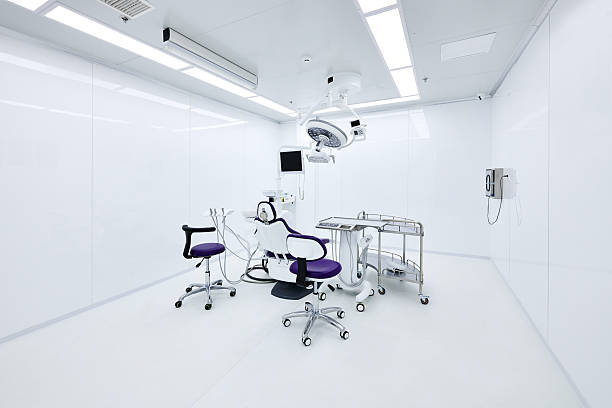
Today’s dental world looks vastly different from that of the past, shaped by digital transformation and patient-centered innovation. Modern practices now rely on a combination of advanced imaging, AI-driven diagnostics, and cloud-based systems that make care more efficient than ever. Three-dimensional printing has revolutionized the production of crowns, bridges, and aligners, allowing for precise customization and same-day results. Artificial intelligence assists in reading X-rays, predicting treatment outcomes, and identifying early signs of disease that might otherwise be overlooked. Telehealth and remote consultations have also become increasingly common, especially following the COVID-19 pandemic, which accelerated the integration of virtual care. These advancements have not only improved accuracy and comfort but also made dental care more accessible to patients worldwide. One example of how technology has enhanced both efficiency and patient experience is the rise of the virtual receptionist dental office. A virtual receptionist dental office utilizes digital communication platforms to manage appointments, answer calls, and send reminders remotely. This innovation ensures that patients receive timely responses and consistent service, even outside regular business hours. By automating administrative tasks, virtual receptionists allow dental professionals to focus more on patient care while maintaining a professional, organized front-end experience.
The Human Side of Dentistry
While technology has redefined the tools and techniques of dentistry, the essence of the profession remains deeply human. Dentists today not only treat dental diseases but also play a crucial role in improving the quality of life. A healthy smile impacts self-esteem, nutrition, and overall wellness, linking oral health to cardiovascular and systemic health more closely than ever before. The patient-dentist relationship has evolved from one of fear and necessity to trust and collaboration. Modern dental practices place greater emphasis on patient education, preventive care, and comfort, ensuring that individuals are informed and empowered to maintain their oral health. The accessibility of dental care has also expanded, with community programs and affordable treatment options reaching populations that once lacked access.
Conclusion: From Ancient Healers to Digital Experts
The journey of dentistry from ancient tooth pullers to digitally equipped professionals is a testament to human ingenuity and dedication to health. Across centuries, the field has evolved through science, compassion, and innovation—always striving to improve how people experience care. Whether through the invention of the drill, the discovery of fluoride, or the rise of digital systems like the virtual receptionist dental office, each advancement reflects dentistry’s ongoing mission to make care more precise, efficient, and patient-friendly. The profession continues to adapt to the changing needs of society, embracing technology while maintaining the personal connection that lies at its core. As dentistry moves forward into the future, it stands as both a science and an art—one that preserves the legacy of care while shaping the smiles of generations to come.