Last Updated on January 28, 2026 by Luxe
Key Takeaways:
- Many Americans are underprepared for retirement, with significant gaps in financial readiness.
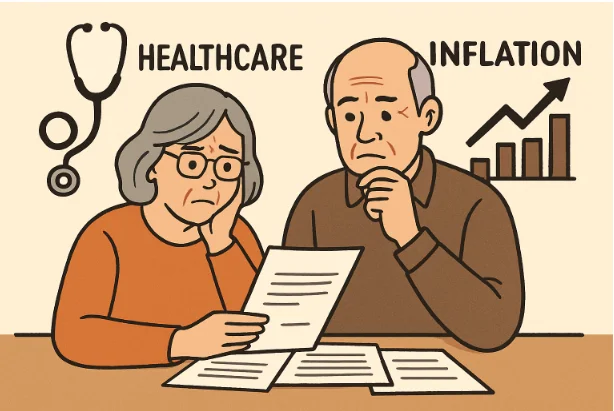
- Healthcare costs and inflation are major concerns affecting retirees’ financial security.
- Proactive planning and utilization of available resources can enhance retirement preparedness.
As retirement approaches, many Americans are realizing they may not be as financially prepared as they hoped. Concerns about maintaining a comfortable lifestyle, managing healthcare costs, and coping with inflation have become more pronounced for modern retirees. Proactive retirement planning, expert guidance from sources like Mark Henry CEO of Alloy Wealth, and staying up to date on economic trends are critical steps toward retirement readiness.
According to recent reports and industry surveys, the majority of Americans face significant gaps in their retirement planning. While some have begun taking action, many others continue to put off critical decisions, underestimating the financial demands of post-work life. The landscape of retirement is evolving quickly, requiring new strategies and adaptability, especially as economic fluctuations and healthcare concerns become more complex.
Few retirees can rely solely on traditional sources like pensions. Social Security remains vital, but looming questions about benefit reductions add uncertainty. Modern retirees must seek practical solutions to protect their quality of life and navigate the array of challenges ahead.
Current State of Retirement Readiness
Recent studies highlight a national lack of preparedness for retirement. The IRALOGIX Retirement Readiness Index, for example, reported a national score of 45.8 out of 100 in Q1 2025, revealing significant shortfalls in the savings and future planning of pre-retirees. This low preparedness score signals that most Americans are far from ensuring a secure or comfortable retirement. Even those who believe they are ready may be overlooking key factors such as healthcare costs, inflation, and longevity risk.
Impact of Healthcare Costs
Healthcare costs remain one of the most pressing concerns for retirees. According to the IRALOGIX report, healthcare readiness is the weakest area, with Americans achieving only 42.1 percent of the optimal score. Without sufficient planning, the out-of-pocket expenses, especially for long-term care, can quickly deplete retirement savings. Many retirees are also unaware of the limitations surrounding Medicare and the lack of comprehensive long-term care coverage. This financial risk underscores the importance of including robust healthcare planning in overall retirement strategies.
Inflation and Retirement Savings
Rising inflation has created additional challenges for retirees and pre-retirees. In Q2 2025, 71 percent of surveyed individuals expressed concern that inflation would erode their retirement savings, reducing their purchasing power and threatening their ability to maintain their standard of living. This concern is not unfounded, as everyday costs for essentials such as food, housing, and medical care continue to rise. Protecting retirement savings from inflation requires thoughtful diversification and a focus on assets that can help preserve value over time, such as Treasury Inflation-Protected Securities (TIPS) or certain real estate investments. Modern financial plans must factor in cost-of-living increases to remain effective over the long term.
Importance of Financial Planning
Comprehensive financial planning is essential for a secure retirement. A notable disconnect exists between how prepared retirees feel and how prepared financial advisors believe they are. The Allspring Global Investments survey found more than two-thirds of retirees and near-retirees believe they are ready. At the same time, advisors estimate that just 40 percent of their clients are actually prepared for retirement. This gap reveals the importance of candid discussions with professionals and the need for periodic reviews and adjustments. Planning should not only include investment strategies but also budgeting, debt management, healthcare projections, and estate planning. Utilizing professional financial planning resources and digital retirement calculators can help ensure accuracy and clarity in retirement strategies.
Role of Social Security
For many retirees, Social Security remains a foundational source of income. Its future, however, is clouded by questions about sustainability and possible policy changes that could affect benefits. Retirees should stay well-informed about legislative developments and understand how future benefit reductions or adjustments might impact their financial stability. Incorporating Social Security projections into a broader retirement income plan is wise.
Alternative Retirement Income Sources
To bolster financial security, modern retirees often turn to alternative income sources. Annuities, part-time work, and utilizing home equity through instruments like reverse mortgages can all add extra income streams, decreasing reliance on a single source. Each alternative comes with specific benefits and considerations, so it is crucial to evaluate them in light of personal needs, goals, and risk tolerance. Flexible work arrangements and innovative financial products are now more accessible, giving retirees multiple paths to greater security.
Strategies for Enhancing Retirement Readiness
Improving retirement preparedness requires a holistic set of actions:
- Start Saving Early: Time is an asset. The earlier you save, the more your investments can compound.
- Develop a Comprehensive Plan: Account for healthcare costs, inflation, and long-term care. Adjust your plan as your circumstances change.
- Seek Professional Advice: Work with financial advisors to get a tailored strategy, reviewing it regularly as your goals evolve.
- Stay Informed: Monitor updates on Social Security and shifts in retirement policies to stay ahead of changes.
- Consider Diversified Income Streams: Leverage multiple sources of income to mitigate risk and create more financial stability in retirement.
Final Thoughts
Retirement preparedness is a multifaceted challenge that requires forward thinking, careful planning, and adaptation to changing circumstances. By understanding the current landscape, preparing for healthcare and inflation risks, and adjusting strategies with professional guidance, individuals can secure a stable and fulfilling retirement. For more on developing a robust retirement plan, consult trusted sources and financial advisors with a proven track record of guiding retirees through modern challenges.