Last Updated on December 19, 2025 by Luxe
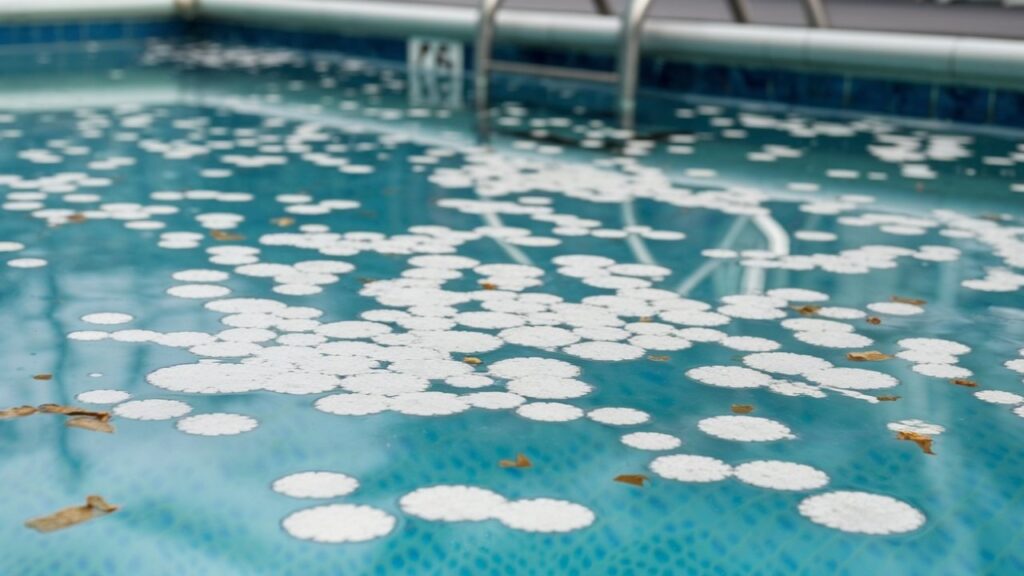
Discovering a mysterious white substance floating in your swimming pool is an unsettling experience for any homeowner. At first glance, it often looks like shredded tissue paper, mucus, or clumps of wet dandruff suspended in the water. This unsightly invader is commonly known as white water mold, and it is more than just a cosmetic nuisance. It is a resilient fungus-like organism that can compromise your water quality and prove incredibly difficult to eliminate if not treated aggressively.
White water mold is naturally occurring, but it thrives in pools with circulation issues or inconsistent sanitizer levels. It often colonizes inside the plumbing lines and filtration system long before it becomes visible in the main vessel. Once you see the white flakes, you already have a significant infestation. This guide provides a comprehensive, step-by-step protocol to eradicate white mold and prevent it from returning, ensuring your pool remains a safe sanctuary for family and friends.
Identifying the Intruder Correctly
Before pouring chemicals into the water, you must confirm that you are dealing with white water mold and not a different issue. The two most common lookalikes are calcium scale and dead algae.
Calcium scale typically manifests as hard, crusty deposits on the pool walls or floor. It feels rough to the touch, like sandpaper. White water mold, by contrast, is soft, slimy, and squishy. If you try to pick it up, it likely breaks apart. It does not stick firmly to walls but rather floats in the water or settles loosely on surfaces.
Dead algae is another possibility, especially after a shock treatment. However, dead algae usually settles as fine dust or powder. White water mold looks heavier and more substantial, often resembling sheets of wet toilet paper. If the substance feels mucous-like, it is almost certainly mold, often accompanied by a pinkish bacteria known as pink slime.
Deep Cleaning the Filtration System
The battle against white mold begins and ends in your filter. This fungus prefers dark, slow-moving environments, making your filter tank its ideal breeding ground. If you treat the pool water but ignore the filter, the mold will simply re-colonize the pool the moment you turn the pump back on.
For sand filters, a standard backwash is insufficient. You must chemically clean the sand using a dedicated filter cleaner to strip away the biofilm the mold creates. If the infestation is severe, the most effective solution is to replace the sand entirely.
For cartridge filters, remove the elements and spray them down thoroughly. If the mold is embedded deep within the pleats, soaking the cartridges in a solution of water and filter cleaner is necessary. However, given the resilience of this fungus, replacing the cartridges with new ones is often the only way to guarantee the spores are gone.
For diatomaceous earth filters, a complete teardown is required. You must remove the grids, hose them off, inspect them for damage, and soak them in a cleaning solution before recharging them with fresh powder.
Balancing and Shocking the Water
Once the filter is addressed, turn your attention to the water chemistry. White water mold is resistant to chlorine, especially when the water balance is off. Before shocking, adjust your pH to between 7.2 and 7.4. Chlorine is significantly more effective at this slightly lower pH range.
To kill the mold, you cannot use a standard maintenance dose of shock. You need to perform a triple or quadruple shock. This means raising your free chlorine levels to at least 30 parts per million and maintaining that level for several days. This high concentration is necessary to penetrate the protective slime layer the mold uses to shield itself from oxidizers.
If you use a non-chlorine oxidizer (potassium monopersulfate), add it alongside the chlorine shock. This helps break down the organic matter and frees up the chlorine to attack the fungus directly.
Scrubbing Every Surface
Chemicals alone rarely solve the problem because of the biofilm protection. You must physically break this layer to expose the fungus to the sanitizer. This requires vigorous brushing of every square inch of the pool.
Pay special attention to areas with poor circulation, such as behind ladders, inside skimmer throats, and around light fixtures. These are the “dead zones” where mold thrives. You should also remove any removable accessories, such as ladders, toys, or cleaners, and scrub them manually with a bleach solution. If these items are placed back in the pool without cleaning, they will reintroduce the spores.
Vacuuming the Waste
After shocking and brushing, the mold will die and settle on the pool floor. It is critical that you remove this dead organic matter effectively. Leaving it in the pool puts a massive strain on your filter and depletes your chlorine levels.
Using a cordless pool vacuum is the most efficient way to handle this cleanup. Unlike manual vacuums that rely on the pool’s pump, an independent vacuum captures the waste in its own canister. This prevents you from clogging your newly cleaned main filter with heavy clumps of dead mold. Vacuum slowly to avoid stirring the debris back up into the water column. If the debris is extremely heavy, you may need to empty the vacuum canister multiple times during the process.
Improving Water Circulation
White water mold loves stagnant water. Once the immediate infestation is gone, preventing a recurrence requires improving the water flow in your pool. Run your pump for at least 12 to 24 hours a day during the treatment phase and ensure your return jets are positioned to create a circular flow pattern.
Debris management is also vital for prevention. Leaves and insects provide food and surface area for mold to grow. Utilizing a pool surface skimmer ensures that organic contaminants are removed continuously. By keeping the surface clear automatically, you reduce the nutrients available in the water, starving any remaining spores.
Treating the Plumbing Lines
If the mold returns despite your best efforts, it is likely hiding inside the PVC plumbing pipes where your brush cannot reach. In this scenario, you may need to use a pipe purge product. These are specialized enzymatic or detergent-based cleaners designed to scour the inside of the plumbing lines.
Add the purge product to the skimmer or pump basket and let it circulate through the system. It will strip away the biofilm inside the pipes. Be prepared for a mess; often, a significant amount of foam and debris will be ejected from the return jets into the pool. This is a good sign that the product is working. After the purge is complete, you will need to shock and vacuum the pool again to remove the dislodged waste.
Maintaining Consistency for Prevention
The most common mistake pool owners make is stopping treatment too early. Just because the white flakes are gone does not mean the mold is eradicated. Keep your chlorine levels elevated for at least a week after the water looks clear. Continue to brush the walls daily during this period.
Moving forward, maintaining consistent sanitizer levels is your best defense. Never let your chlorine drop to zero. Regularly clean your filtration system and ensure that water is moving effectively throughout the entire vessel. White water mold is an opportunistic invader; it waits for a drop in maintenance to take hold. By staying vigilant with your cleaning routine and utilizing the right tools to manage debris, you can keep your pool water sparkling and fungus-free.