Last Updated on February 17, 2026 by Luxe
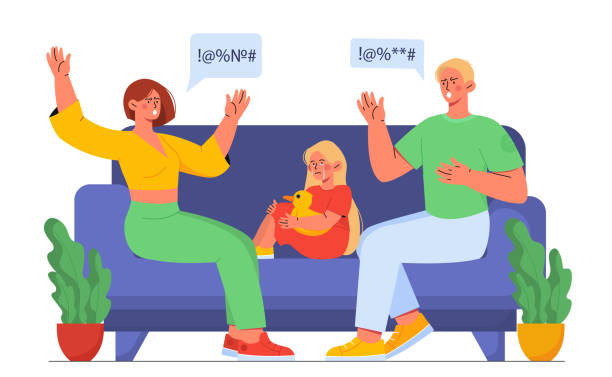
Co-parenting can feel simple on paper and difficult in real life, especially when emotions, new relationships, money pressures, or different routines collide. Communication is often the hidden trigger behind repeated disagreements, not because either parent wants chaos, but because messages arrive at the wrong time, in the wrong tone, or without enough clarity. When parents build a few consistent rules, they reduce misunderstandings and create a calmer rhythm for the child. These rules are not about winning arguments. They are about making it easier to share information, handle schedule changes, and address concerns without turning every detail into a fight. With repetition, the rules become habits, and habits can lower conflict over time.
Rules that keep things calm
- Use child-focused, agenda-first messages
One reliable way to reduce conflict is to structure every message with a child-focused purpose and a clear agenda. Before sending anything, decide what the message needs to accomplish, such as confirming pickup time, sharing a school update, or asking about a medical appointment. Lead with the practical point first, then add only the facts needed to support it. Avoid adding past grievances or character judgments, as they invite defensiveness and pull the conversation away from the child. A helpful guideline is one topic per message, since bundled complaints create confusion and increase the chance of a heated response. Keep language neutral and assume the other parent may read quickly on a phone. If a message is emotionally loaded, write it, save it, and reread it later with a calmer mindset. Many parents use a short template like request, proposed solution, deadline, and thanks. If communication is consistently difficult, a Family Law Practice can suggest structured tools that keep records organized and reduce repeated flare-ups. Over time, the child benefits when both homes share the same basic information without tension.
- Choose channels, timing, and response windows
Conflict often arises when parents communicate through the wrong channel, at the wrong time, with unclear expectations about when a reply is expected. A clear rule is to reserve urgent channels, such as phone calls, for true emergencies and use written communication for scheduling, school details, and reimbursements. Written messages reduce confusion by creating a record and discouraging impulsive statements. Timing matters too. Late-night messages can feel confrontational even when the content is neutral, so many co-parents agree to message during a set window, such as early evening, unless there is a same-day need. Response windows help as well. If one parent expects an immediate reply while the other is working, frustration can rise. A simple agreement like responding within twenty-four hours for non-urgent items and within two hours for same-day logistics, can prevent anxiety and repeated follow-ups. Parents can also use shared calendars for custody time, activities, and travel plans, which reduces the need for constant messaging. When communication becomes predictable, the temperature drops and disagreements shrink.
- Set boundaries for tone and avoid rehashing
Even when parents share useful information, conflict can spike because of tone. A tone boundary is not about being overly formal, but about removing triggers that lead to escalation. One rule is no sarcasm, no insults, and no assumptions about motives. Another is to avoid sweeping statements like “you always” or “you never,” because those often spark defensiveness and turn a small issue into a debate about history. If the other parent sends something sharp, respond only to the practical part. Do not mirror the tone, and do not chase the argument into the past. If a message includes multiple accusations, pick the one fact that needs a response and ignore the rest. It can also help to adopt a pause rule, such as waiting thirty minutes before replying to anything that makes you angry. During the pause, think about what your child needs next week, not what happened last year. If a topic is repeatedly contentious, agree to discuss it only during scheduled check-ins rather than in the middle of a busy day. Boundaries protect everyone, including the child who can sense tension even when adults think it is hidden.
Lower-Conflict Co-Parenting Habits
Co-parenting communication becomes calmer when it is predictable, factual, and focused on the child rather than the past. Agenda-first messages prevent confusion, while agreed channels and response windows reduce pressure and impulsive reactions. Tone boundaries protect both parents from spiraling arguments, and repeatable decision rules turn recurring disputes into routine steps. These habits take time, but even small consistency can change the emotional climate between homes. When parents communicate clearly and with restraint, the child benefits from greater stability and fewer tense exchanges. The goal is not perfection, but steady progress.