
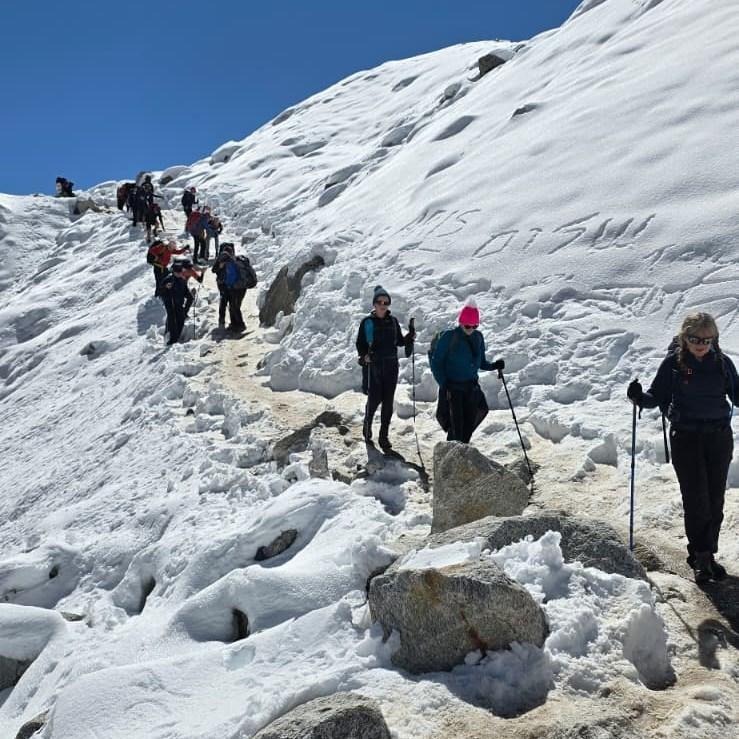
Trekking at high altitude is an experience like no other, majestic mountains, crisp air, and breathtaking views await. But it’s also physically demanding, and the risks of altitude sickness are real. Whether you’re planning the world-famous Everest Base Camp Trek or exploring the less-traveled Manaslu Circuit Trek, preparation can make the difference between a challenging adventure and a life-changing experience.
High-altitude environments put extra stress on your body. Oxygen levels drop, the weather can change in an instant, and even short hikes feel harder than expected. First-time trekkers often underestimate these challenges, but with the right training, packing, and acclimatization strategies, you can tackle these trails safely and enjoy every moment.
This guide covers everything you need to know: how to train your body, recognize altitude sickness, pack smartly, and stay energized on the trail. By the time you set foot on the trails of the Himalayas, you’ll be ready to take on the mountains with confidence and excitement.
Contents
- 1 What Is Considered High-Altitude and Why Does It Matter?
- 2 How Does Altitude Sickness Affect First-Time Trekkers?
- 3 How Should You Physically Prepare for High-Altitude Hiking?
- 4 What Should You Pack for a High-Altitude Trek?
- 5 How Can You Acclimatize Properly on the Trail?
- 6 Are There Natural Remedies or Medications for Altitude Sickness?
- 7 Expert Tips for First-Time High-Altitude Trekkers
- 8 Conclusion:
What Is Considered High-Altitude and Why Does It Matter?
High-altitude areas start around 8,200 feet (2,500 meters), where thinner air means less oxygen. This can cause fatigue, headaches, or dizziness, even for experienced trekkers. On trails like the Everest Base Camp Trek or Manaslu Circuit Trek, knowing how your body reacts to altitude is key for safety and energy. Proper preparation helps reduce altitude sickness and makes your trek more enjoyable.
Understanding Altitude Levels
Altitude is generally categorized into three levels:
- Low altitude: 0–4,900 feet (0–1,500 meters)
- Moderate altitude: 4,900–8,200 feet (1,500–2,500 meters)
- High altitude: 8,200–13,100 feet (2,500–4,000 meters)
- Very high altitude: 13,100–18,000 feet (4,000–5,500 meters)
- Extreme altitude: 18,000+ feet (5,500+ meters)
Altitude sickness can begin to affect individuals at elevations above 8,000 feet (2,500 meters), where oxygen levels are significantly lower. At sea level, oxygen concentration is about 21%. By 12,000 feet, it drops to around 60% of that. This reduced oxygen availability affects how your body functions, especially during physical exertion.
Why Preparation Is Crucial for High-Altitude Destinations
At higher elevations, your body has to work harder to deliver oxygen to muscles and vital organs. This can lead to fatigue, dizziness, and even serious conditions like Acute Mountain Sickness (AMS). Without proper acclimatization, trekkers may face life-threatening complications.
Some of the world’s most iconic high-altitude trekking destinations, like the Everest Base Camp Trek in Nepal, challenge both body and mind. These regions demand not only physical stamina but also smart preparation. By understanding the physiological effects of altitude and planning accordingly, first-time trekkers can avoid common pitfalls and enjoy the journey safely.
How Does Altitude Sickness Affect First-Time Trekkers?
Altitude sickness, or Acute Mountain Sickness (AMS), can hit anyone above 8,000 feet (2,500 meters). Early signs include headaches, nausea, dizziness, fatigue, and trouble sleeping. In severe cases, fluid can build in the lungs (HAPE) or brain (HACE), which are medical emergencies. First-time trekkers on routes like the Everest Base Camp Trek or Manaslu Circuit Trek should ascend slowly, stay hydrated, and listen to their body to prevent serious complications.
Symptoms to Watch For
The most common form of altitude sickness is Acute Mountain Sickness (AMS), which typically appears within 6–24 hours of ascent. Symptoms include:
- Persistent headache
- Nausea or vomiting
- Dizziness or lightheadedness
- Fatigue and weakness
- Difficulty sleeping
- Loss of appetite
In more serious cases, trekkers may develop:
- High-Altitude Pulmonary Edema (HAPE): fluid in the lungs, shortness of breath at rest, chest tightness
- High-Altitude Cerebral Edema (HACE): swelling in the brain, confusion, loss of coordination, hallucinations
These conditions are medical emergencies. If symptoms worsen or don’t improve with rest, it’s critical to descend immediately.
Who Is Most at Risk for Altitude Sickness?
Anyone can get altitude sickness, regardless of age, fitness, or experience. However, certain factors increase risk:
- Rapid ascent without acclimatization
- Previous history of altitude sickness
- Dehydration or poor nutrition
- Overexertion early in the trek
A common myth is that young, athletic individuals are immune. In reality, they may be more likely to push themselves too hard and ignore warning signs. The best prevention is a gradual ascent, proper hydration, and listening to your body. Recognizing symptoms early and taking appropriate action can make all the difference.
How Should You Physically Prepare for High-Altitude Hiking?
Preparing your body is key to handle the challenges of high-altitude trekking. Focus on building cardiovascular fitness through hiking with a loaded backpack, trail running, cycling, or stair climbing. Strengthen your legs, core, and glutes with regular workouts, and include flexibility exercises like yoga to improve balance. Ideally, start training 6–8 weeks before your trek to gradually build endurance and simulate trekking conditions.
Building Endurance Before the Trek
Start training at least six weeks before departure. Focus on cardiovascular fitness, which helps your body use oxygen more efficiently.
Recommended activities include:
- Hiking with a loaded backpack
- Trail running or treadmill incline walking
- Cycling and swimming for aerobic capacity
- Stair climbing or step-ups for leg strength
Incorporate strength training 2–3 times per week. Target key muscle groups used in trekking: quads, hamstrings, calves, glutes, and core. Flexibility and mobility exercises—like yoga or dynamic stretching—reduce injury risk and improve balance on uneven terrain.
Here’s a sample 6-week training plan:
- Weeks 1–2: 3 cardio sessions + 2 strength sessions/week
- Weeks 3–4: Increase cardio duration; add elevation gain
- Weeks 5–6: Simulate trekking days (back-to-back hikes with elevation)
Simulating Altitude Conditions
Training at elevation is ideal but not always possible. If you live near mountains, do hikes above 6,000 feet to help your body adapt. Altitude masks and hypoxic chambers simulate lower oxygen environments. While some athletes use them, their effectiveness for trekking prep is debated. They can improve breathing efficiency but don’t replicate all altitude stressors.
Ultimately, the best preparation combines fitness, mental readiness, and a solid acclimatization strategy once on the trail. This is especially important on routes like the Manaslu Circuit Trek, where daily elevation gains are significant and acclimatization is key to completing the loop safely.
What Should You Pack for a High-Altitude Trek?
Packing smart is essential for comfort and safety at high altitudes. Layered clothing is key: a moisture-wicking base layer, an insulating fleece or down jacket, and a waterproof shell. Don’t forget sturdy trekking boots, trekking poles, gloves, hat, sunglasses, and sunscreen.
Health and safety items are just as important: bring medications like Diamox, a first aid kit, water purification tools, and high-energy snacks. A headlamp, map or GPS, and emergency whistle are also recommended. Pack light but include essentials to handle sudden weather changes and altitude challenges.
Essential Gear & Clothing
Layering is key for regulating body temperature in high-altitude environments. Weather can shift from sunny to snow in minutes.
Your clothing system should include:
- Base layer: moisture-wicking (merino wool or synthetic)
- Insulation layer: fleece or down jacket
- Shell layer: waterproof and windproof outer layer
Additional essentials:
- Sturdy trekking boots with ankle support and good traction
- Trekking poles to reduce joint strain and aid balance
- Warm hat, gloves, and neck gaiter
- UV-protection sunglasses and sunscreen (high-altitude sun is intense)
- Lightweight daypack with hydration bladder or bottles
Important Health and Safety Items
Altitude affects hydration, digestion, and energy levels. Pack items that support your health and safety:
- Medications: Diamox (acetazolamide) for acclimatization, ibuprofen, anti-nausea tablets
- Portable oxygen canisters (optional for extreme elevation)
- Water purification: tablets, filters, or UV devices
- First aid kit: include blister care, altitude-specific meds, and electrolyte tablets
- Snacks: high-carb, low-fat options like energy bars, nuts, dried fruit
Also bring a headlamp, map or GPS, and emergency whistle. In remote areas, a satellite communicator or emergency beacon is wise. Packing light yet thoroughly ensures you’re ready for both the expected and the unexpected.
How Can You Acclimatize Properly on the Trail?
Acclimatization is your body’s way of adjusting to lower oxygen levels at high altitudes. Proper acclimatization reduces the risk of altitude sickness and helps you trek more comfortably and safely.
The main strategies include:
- Climb High, Sleep Low: Hike to higher elevations during the day but sleep at lower altitudes to let your body adapt gradually.
- Ascend Slowly: Avoid rapid elevation gains; limit daily increases to about 1,000 feet (300 meters) once above 8,000 feet.
- Rest Days: Take a rest day after every 3,000 feet (1,000 meters) of ascent to give your body time to adjust.
- Hydration and Nutrition: Drink plenty of water and eat a high-carbohydrate diet to support oxygen delivery and energy levels.
Following these steps ensures your body adapts safely, making treks like the Everest Base Camp Trek or Manaslu Circuit Trek more enjoyable and less risky.
Diet and Hydration at High Altitudes
Staying hydrated is vital. The dry mountain air and increased breathing rate cause faster fluid loss.
- Drink 3–4 liters of water daily
- Avoid alcohol and excess caffeine
- Use electrolyte tablets to maintain balance
Fuel your body with high-carbohydrate meals for better energy and oxygen efficiency:
- Whole grains, pasta, and rice
- Fruits and vegetables
- Energy bars and trail mix
Avoid greasy or heavy meals that are harder to digest at high altitudes.
Proper acclimatization, hydration, and nutrition are the best ways to prevent altitude sickness on treks like the Everest Base Camp Trek or Manaslu Circuit Trek.
Are There Natural Remedies or Medications for Altitude Sickness?
When trekking at high altitudes, your body may struggle with lower oxygen levels, leading to altitude sickness. This section explains the ways you can prevent or manage these symptoms.
Medicinal Options
Prescription medications can prevent or treat symptoms:
- Acetazolamide (Diamox): Speeds up acclimatization
- Dexamethasone: Used for severe AMS, HAPE, or HACE
- Ibuprofen or aspirin: Relieves headaches
Take Diamox 1–2 days before ascent and continue for several days at altitude. Always consult a doctor.
Over-the-counter remedies, like anti-nausea tablets, may ease symptoms but don’t prevent altitude sickness.
Natural Techniques
Some trekkers use natural methods (support varies):
- Ginkgo biloba: May improve circulation
- Coca leaves or tea: Traditionally used in the Andes
- Garlic and ginger: Aid circulation and digestion
Breathing exercises and slow, deep breathing (pranayama) can also help. Remember, these methods complement, not replace, proper acclimatization and medical care.
Expert Tips for First-Time High-Altitude Trekkers
Trek with an Experienced Guide
Hiring a certified guide helps with:
- Local knowledge of terrain and altitude risks
- Emergency response and communication
- Arranging permits, porters, and accommodations
Guided treks also provide motivation and safety support, especially on challenging routes like the Everest Base Camp Trek or Manaslu Circuit Trek.
Listen to Your Body and Take It Slow
High-altitude trekking isn’t a race:
- Maintain a steady pace
- Take regular hydration and rest breaks
- Watch for early signs of altitude sickness
Be flexible with your schedule. Weather and health may require adjustments. Safety always comes first.
Conclusion:
High-altitude trekking is about more than gear; it’s about understanding your body’s limits and acclimatizing properly. Gradual ascent, hydration, nutrition, and attention to symptoms ensure a safer, more enjoyable trek.
Respect the altitude, pace yourself, and prepare thoroughly. Just as good system maintenance is essential in other demanding environments, thoughtful preparation is what makes treks like the Everest Base Camp or Manaslu Circuit truly rewarding. The mountains always repay careful planning with unforgettable experiences.


