Last Updated on October 24, 2025 by Luxe
Key Takeaways
- Implementing a thorough waste management plan safeguards site safety and boosts efficiency.
- Categorizing and segregating waste is essential for effective recycling initiatives and reduced environmental impact.
- Using labeled containers and structured pickup schedules keeps job sites organized.
- Material recycling and reuse can cut disposal costs and foster sustainability.
- Familiarity with local disposal regulations is key to avoiding fines and ensuring responsible practices.
Proper management of construction debris is a cornerstone of maintaining a safe and efficient job site. Whether you’re working on a full-scale building project or a smaller renovation, utilizing best practices for debris removal can significantly enhance both workflow and site safety. Addressing debris swiftly helps to minimize hazards, maintain organization, and promote an environmentally responsible workspace.
Taking a planned approach ensures that all waste is handled methodically, preventing avoidable delays or costly cleanups later. Setting up clear procedures creates a cleaner site, reduces risks to workers, and facilitates recycling efforts. Comprehensive debris management contributes not just to safety and order, but also to sustainability goals for both small and large construction projects.
Initiating these strategies at the onset of construction delivers measurable benefits over the project’s life cycle. Keeping debris under control improves the overall project timeline and can yield significant cost savings. As a result, construction professionals and site managers should prioritize effective debris management from day one.
Incorporating modern techniques and tools, like proper container selection and scheduled pickups, further streamlines this process. Regularly reviewing your practices also helps you adapt to changing site conditions or updated regulations, ensuring ongoing compliance and efficiency.
Develop a Comprehensive Waste Management Plan
Effective debris management starts with a comprehensive waste management plan tailored to your specific project. This plan should outline how each type of material will be sorted, stored, recycled, or disposed of. It needs to cover all phases of construction, addressing not only routine debris but also larger material flows at critical project milestones. This planning facilitates compliance with local environmental and safety requirements, helping to avoid surprises and keeping your project on track.
Key plan elements include identifying hazardous materials, assigning responsibilities to site staff, and integrating recycling or reuse targets. A well-documented plan ensures that every crew member understands their role in maintaining a clean and compliant site. This can be especially helpful during inspections or if regulatory agencies require proof of adherence to waste management standards. Additional details about the significance of waste management planning can be found in the EPA’s Sustainable Materials Management resource.
Segregate Waste Materials for Efficiency
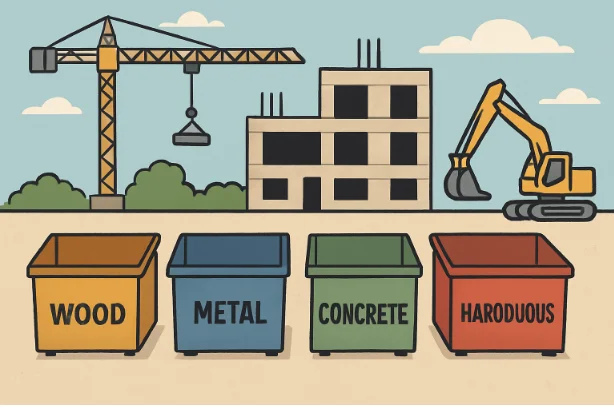
Waste segregation is crucial for maximizing recycling potential and streamlining removal efforts. Assign clearly marked zones or containers for common categories, such as wood, metal, concrete, and hazardous waste. By separating these at the point of origin, you reduce the risk of contamination and facilitate direct transportation to appropriate recycling facilities.
Hazardous materials, including solvents, treated wood, or asbestos, require special handling. Proper segregation also supports data collection on the volume of generated waste, which can be valuable for both regulatory reporting and refining future site practices. Many leading construction firms consider segregation an industry standard and an integral part of their sustainability plans.
Utilize Appropriate Containers
Container selection is a practical yet often overlooked aspect of debris management. Use roll-off dumpsters of suitable size for your site’s waste volume—this not only prevents unsightly and unsafe overflow but also avoids paying for more capacity than you need. All containers should be sturdy, clearly labeled for contents, and placed in accessible yet out-of-the-way locations to keep site traffic unobstructed.
For instance, metals, concrete, and mixed debris can require separate containers, and hazardous materials must comply with legal storage requirements. Developing a relationship with a reputable waste hauling provider ensures timely pickups and replacement of filled containers, supporting productivity and site cleanliness.
Schedule Regular Pickups
Routine removal of construction waste keeps projects moving smoothly. Determining the optimal schedule for debris pickup involves evaluating the scale and pace of your project, as well as the rate at which containers fill. Sites generating heavy waste loads may require daily hauls, while those with lighter waste loads may need only weekly pickups.
Regular waste removal benefits not only logistics but also safety, as cluttered piles increase the risk of tripping, puncture wounds, and other workplace injuries. A set schedule also avoids last-minute calls and potential project delays due to overflowing dumpsters.
Recycle and Reuse Materials
Recycling and reuse are central to sustainable construction practices. Many materials commonly considered debris, such as metal, concrete, asphalt, and untreated wood, can be recycled or repurposed. For example, clean concrete is often crushed and incorporated into new construction, while metals are routinely melted down and reformed for other uses. Implementing a recycling program significantly reduces landfill contributions and helps control disposal costs.
Stay Informed About Local Regulations
Understanding municipal and state regulations about construction debris is essential for avoiding penalties and meeting environmental standards. Jurisdictions may regulate the handling, recycling, or disposal of specific materials, particularly those classified as hazardous. Designate a team member to track regulatory changes and ensure your project remains consistently compliant.
Monitor and Adjust Waste Management Practices
Routine review and adjustment of your site’s debris management strategies contribute to ongoing improvement and effectiveness. Site audits, safety walk-throughs, and feedback from workers can reveal areas for adjustment—such as increasing container access, improving signage, or refining pickup schedules. Technology, including project management apps and tracking dashboards, can simplify and enhance the accuracy of monitoring. Adjustments should be made promptly to adapt to changing site needs and regulations, maintaining efficiency and safety.
Conclusion
Success in construction debris management requires both strategic planning and daily diligence. By creating a waste management plan, organizing materials, utilizing the correct containers, ensuring regular pickups, prioritizing recycling, staying informed about local regulations, and routinely assessing procedures, construction professionals can achieve safer, more efficient, and environmentally friendly project outcomes.