Last Updated on July 15, 2026 by Luxe
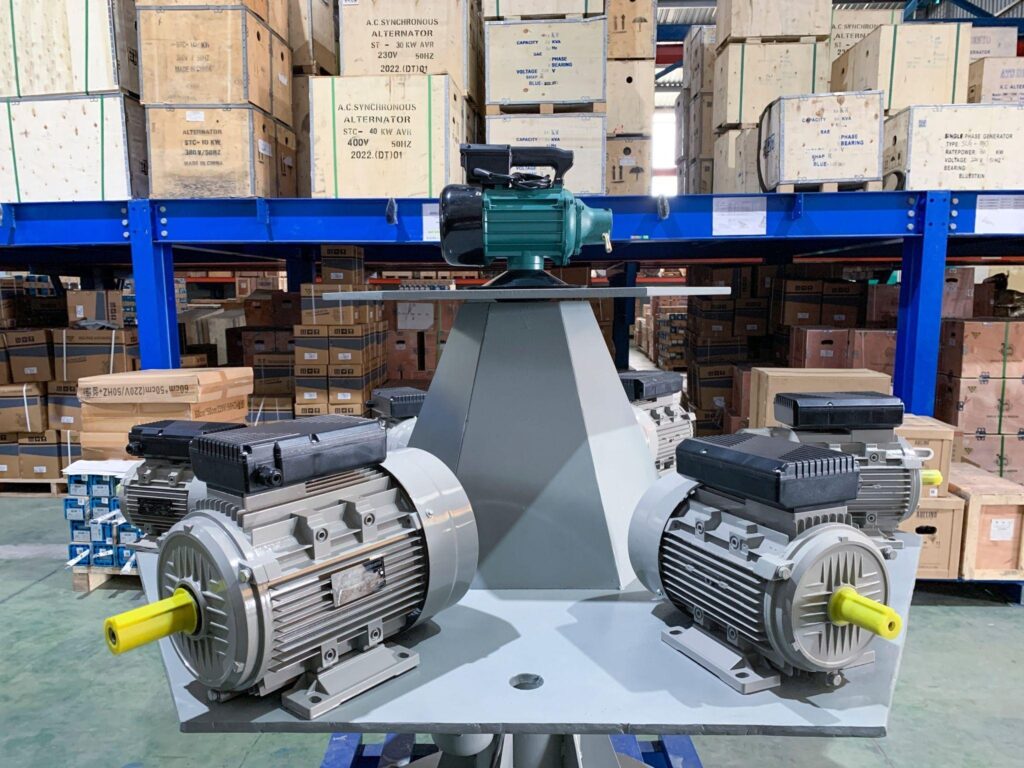
Manufacturing floors run on more than schedules and staffing. They run on the machines that keep production lines moving and few components matter more than the electric motor at the center of it all. Facilities looking for dependable performance increasingly turn to WEG motors as a foundation for stable, long-term operations. Downtime is expensive and an unreliable motor can stall an entire production run in seconds. That reality has pushed plant managers to rethink how they select, maintain and integrate motor technology into their broader automation strategy.
Motor control itself has changed considerably over the past decade. Where older systems relied on simple on/off switching, modern facilities expect precision. Speed control, torque management and real-time monitoring now sit at the core of industrial automation planning. Advanced motor systems support this shift by offering the flexibility to adjust performance based on load conditions rather than running at a fixed output regardless of demand. That adaptability reduces mechanical strain, cuts unnecessary energy waste and helps equipment last longer under continuous use.
What Soft Starters Actually Do for Equipment Life
Soft starters play a quiet but critical role in this picture. Instead of sending a motor from zero to full power in an instant, a soft starter ramps the current gradually. Mechanical stress drops. Belts, gears and couplings experience less shock during startup. Facilities working with demanding start cycles, like pumps or conveyor systems, often see fewer unplanned repairs once a proper soft starter is in place. Customizable settings also let technicians fine-tune acceleration and deceleration profiles for each specific application, rather than accepting a one-size-fits-all default that may not suit the actual load.
Where V.J. Pamensky Fits Into the Picture
In Canada, V.J. Pamensky has built a reputation around this exact niche, supplying industrial motor and automation components to manufacturers who need equipment that performs consistently under pressure. The company positions itself less as a parts supplier and more as a technical partner, offering guidance on system compatibility alongside the products themselves. That distinction matters for engineers who need more than a catalog number. They need someone who understands how the motor fits into the rest of the plant, from the control panel to the mechanical load it drives.
Original equipment manufacturers face a particular set of pressures. Their machines ship to end users who expect plug-and-play reliability, which means the motor and control components need to integrate cleanly with minimal field adjustment. Robust automation pairing reduces the guesswork during commissioning. When a soft starter and motor are designed to work together from the outset, OEMs spend less time troubleshooting mismatched components and more time shipping finished equipment on schedule. That reliability becomes part of the OEM’s own reputation once the machine reaches a customer’s floor.
Sourcing Decisions and the Long Game on Equipment Life
Choosing the right motor setup isn’t only about horsepower ratings. Facility managers also weigh serviceability, parts availability and how quickly a distributor can respond when something breaks at two in the morning on a production line. A motor that runs well in isolation but lacks local support becomes a liability the moment something goes wrong. Sourcing decisions increasingly factor in the distributor relationship, not just the equipment specification sheet, because a spec sheet doesn’t answer the phone during a shutdown.
Extended equipment life rarely comes from a single feature. It comes from the combination of proper installation, correct sizing and control systems that protect the motor from unnecessary wear. Soft start technology contributes to that equation by limiting inrush current and mechanical shock, but routine maintenance and monitoring still matter just as much. Plants that pair smart motor control with a disciplined maintenance schedule tend to get more usable years out of their equipment before a replacement becomes necessary.
V.J. Pamensky’s approach reflects this broader view of equipment lifecycle rather than a single transaction. Their team works alongside OEMs and end users to match motor and automation components to the actual demands of a given application, which can mean the difference between a system that needs constant attention and one that simply runs. That kind of fit isn’t always obvious from a catalog page and it usually takes a conversation to get right.
The Bottom Line for Manufacturers
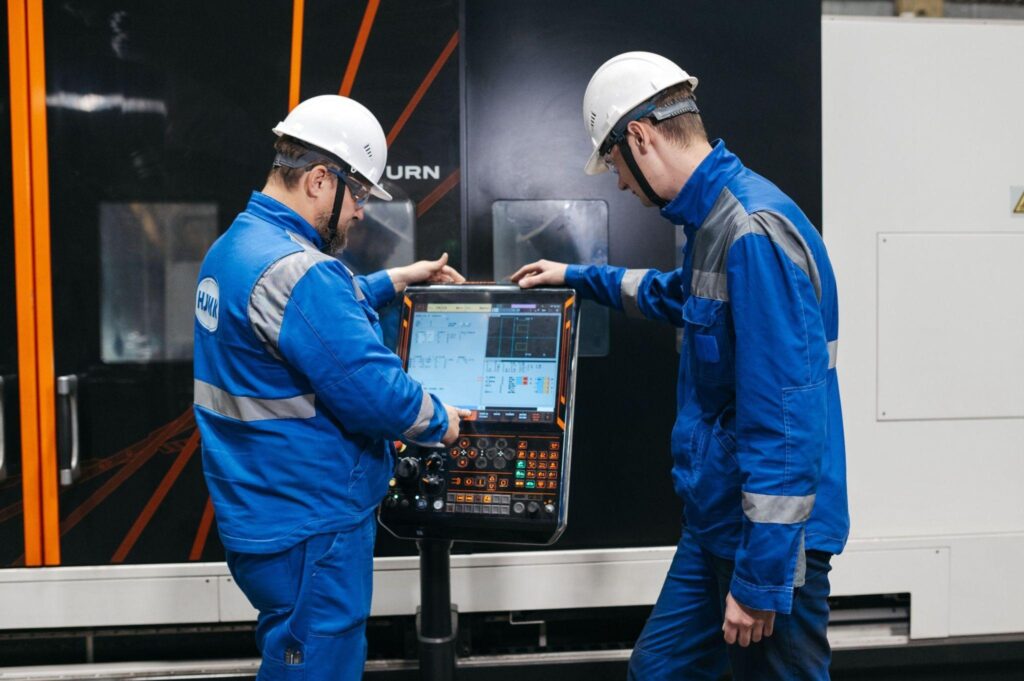
For manufacturers weighing their next equipment purchase, the case for WEG motors comes down to a straightforward question: does the equipment reduce operational headaches or does it create new ones? Reliable motor control, paired with soft starter technology built for the application, tends to answer that question in the plant’s favor. Fewer surprises during startup, less mechanical wear over time and smoother integration with existing automation all add up over a piece of equipment’s working life.
Industrial automation will keep pushing toward tighter integration between motors, controls and monitoring systems. Manufacturers who prioritize compatibility and long-term support over the lowest sticker price typically fare better once equipment is running under real production conditions. Partners like Pamensky, who focus on that fit between hardware and application, are likely to remain relevant as automation demands keep climbing across Canadian manufacturing.