Last Updated on February 27, 2026 by Luxe
The way we access healthcare has changed dramatically over the past decade. Where patients once had no choice but to drive to a clinic, sit in a waiting room, and see a doctor face-to-face, they can now connect with a provider from the comfort of their own home. But does convenience always win out? Understanding the differences between in-person visits and telemedicine can help you make smarter, more informed decisions about your health.
What Is Telemedicine?
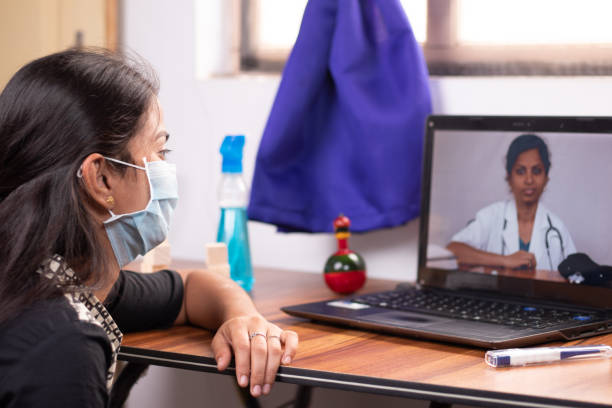
Telemedicine refers to the delivery of healthcare services through digital communication tools — video calls, phone consultations, or secure messaging platforms. It allows patients to consult with licensed physicians, therapists, specialists, and other healthcare providers without physically visiting a clinic or hospital. Platforms like Vosita have made this process seamless, connecting patients with qualified providers quickly and efficiently, often within minutes.
The Case for In-Person Visits
There are situations where nothing replaces the experience of being physically present with a healthcare provider. In-person appointments allow doctors to conduct hands-on examinations, order immediate diagnostic tests, and perform procedures that simply cannot be done through a screen.
When in-person care is the better choice:
- Emergencies and acute conditions. If you’re experiencing chest pain, difficulty breathing, severe injuries, or symptoms that require immediate intervention, an emergency room or urgent care clinic is always the right call. Telemedicine cannot provide CPR, administer IV medications, or perform surgery.
- Physical examinations. Certain conditions require a doctor to listen to your heart and lungs, feel for lumps or abnormalities, check reflexes, or examine your skin up close. No camera can replicate that level of assessment.
- Diagnostic procedures. Blood draws, X-rays, MRIs, and other lab work must be done in person. While a telemedicine provider can order these tests, you’ll still need to visit a facility to complete them.
- Complex or chronic conditions. Patients managing multiple chronic illnesses often benefit from in-person monitoring, especially when their conditions require frequent adjustments to treatment plans or hands-on therapies.
- Mental health crises. While teletherapy is highly effective for routine mental health care, a patient in crisis may need immediate, in-person psychiatric support and intervention.
The Case for Telemedicine
Telemedicine has proven to be far more than a pandemic-era workaround. For millions of patients, it has become a preferred and often superior mode of care — and for good reason.
When telemedicine is the better choice:
- Minor illnesses and common conditions. Colds, flu symptoms, urinary tract infections, allergies, sinus infections, and rashes are among the many conditions that can be effectively diagnosed and treated via a virtual visit.
- Mental health and therapy. Teletherapy has expanded access to mental health care in remarkable ways. Patients who might have avoided therapy due to stigma, distance, or scheduling conflicts can now attend sessions from home.
- Prescription management and follow-ups. If you need a medication refill or a quick follow-up after a recent appointment, telemedicine saves you the time and hassle of an in-person visit.
- Chronic disease management. Patients with diabetes, hypertension, asthma, or other managed conditions can check in with their providers regularly without disrupting their daily routines.
- Rural and underserved communities. For people living far from specialists or in areas with limited healthcare infrastructure, telemedicine can be a lifeline, providing access to care that would otherwise require hours of travel.
- Busy schedules and limited mobility. Parents with young children, professionals with demanding jobs, elderly patients, and individuals with disabilities can all benefit enormously from the flexibility telemedicine offers.
Comparing the Two: A Balanced Look
| Factor | In-Person | Telemedicine |
| Physical examination | Full | Limited |
| Convenience | Lower | Higher |
| Wait times | Often longer | Usually shorter |
| Access to specialists | Location-dependent | Broader access |
| Cost | Often higher | Often lower |
| Emergency suitability | Yes | No |
| Technology required | No | Yes |
It’s worth noting that cost is a genuine factor for many patients. Telemedicine visits are often less expensive than in-person appointments, and many insurance plans now cover virtual care at the same rate as traditional visits. For patients without insurance, the lower overhead of virtual platforms frequently translates into more affordable consultations.
How to Decide What’s Right for You
The best approach isn’t to think of telemedicine and in-person care as competing options — they’re complementary. The key is knowing when to use each one.
Ask yourself a few questions before booking your next appointment:
Can my concern be assessed without a physical exam? If the answer is yes, telemedicine is likely a good fit. Discussing symptoms, reviewing lab results, managing a prescription, or talking through a mental health concern are all well-suited to virtual care.
Is this a new, unexplained, or rapidly worsening condition? If something is unfamiliar or progressing quickly, an in-person visit ensures your provider has every tool available to investigate thoroughly.
Do I need a procedure or diagnostic test? If so, you’ll need to go in person — though you might be able to start with a virtual consultation to determine what tests are actually necessary.
Am I in a remote area or facing barriers to access? Telemedicine may be your most practical and immediate option. A provider on a platform like Vosita can help you assess your symptoms, guide your next steps, and even refer you to local specialists when needed.
The Future of Healthcare Is Hybrid
The most forward-thinking healthcare systems today aren’t choosing between telemedicine and in-person care — they’re integrating both. A patient might have an initial virtual consultation, visit a lab for bloodwork, receive their results via a follow-up video call, and see a specialist in person only if necessary. This kind of flexible, patient-centered approach reduces unnecessary appointments, cuts costs, and improves outcomes.
Technology will continue to push the boundaries of what’s possible remotely. Wearable devices that monitor heart rate, blood pressure, and blood glucose in real time are already feeding data directly to healthcare providers. Remote stethoscopes and dermatology cameras are making physical assessments more feasible from a distance. The line between virtual and in-person care is becoming less rigid every year.
Final Thoughts
Neither telemedicine nor in-person care is universally superior — the right choice depends on your specific health needs, circumstances, and the nature of your concern. What matters most is that you have access to quality care when you need it, in whatever form makes the most sense for your situation.
Fortunately, the modern healthcare landscape gives you more options than ever before. Whether you’re booking a quick virtual visit for a minor ailment or heading into a clinic for a thorough examination, the goal is the same: getting the care you need to feel your best. Tools and platforms like Vosita are making it easier to navigate those choices, putting quality healthcare within reach for more people, more of the time.