Last Updated on February 19, 2026 by Luxe
Key Takeaways
- Early intervention can improve language, social communication, and daily living skills in children with ASD.
- Starting therapy as early as 18 months leads to better developmental outcomes.
- Parental involvement in early intervention programs is crucial for success.
Table of Contents
- Introduction
- Importance of Early Diagnosis
- Effective Intervention Strategies
- Role of Parents in Early Intervention
- Long-Term Benefits of Early Intervention
- Challenges in Accessing Early Intervention Services
- Conclusion
Early intervention for children diagnosed with Autism Spectrum Disorder (ASD) is recognized as a fundamental step in improving a child’s developmental capabilities. Receiving therapy and support in the early stages of life can greatly enhance a child’s cognitive skills, social abilities, and future opportunities. Families in Indiana searching for quality intervention services can find valuable resources at https://www.brighterstridesaba.com/locations/indiana/, helping ensure timely access to specialized care.
The initial years of life witness significant neurological growth, making timely support essential for children with Autism Spectrum Disorder (ASD). Early intervention, ideally initiated soon after diagnosis, enhances developmental milestones and promotes independence. Programs tailored to children’s needs effectively address communication, learning, and social challenges, leading to lifelong benefits in academics and social integration. While access to evidence-based support remains inconsistent, improved community resources and policy reforms are enhancing availability. The American Academy of Pediatrics advocates for early developmental screenings and prompt referrals to improve outcomes for children with ASD.
Importance of Early Diagnosis
Early identification of ASD gives families valuable time to understand their child’s unique needs and begin intervention as soon as possible. Children who start therapy by 18 to 24 months show greater improvements in language use, adaptive behavior, and social skills than those who begin intervention later. Timely diagnosis can decrease anxiety for families and support planning for school and community inclusion.
Recognizing signs such as delayed speech, difficulty making eye contact, and limited engagement in social play ensures early access to diagnostic resources. Pediatricians and early educators are critical in screening and making referrals so children do not miss the window when intervention is most effective.
Effective Intervention Strategies
Evidence-based strategies form the foundation of successful early intervention for children with ASD. Some of the most widely recommended approaches include:
- Applied Behavior Analysis (ABA): Uses positive reinforcement to encourage helpful behaviors and teach new skills, ranging from communication to self-care and play.
- Early Start Denver Model (ESDM): Integrates play, relationship-building, and behavioral techniques to stimulate learning in natural settings and daily routines.
- Speech and Language Therapy: Emphasizes the development of spoken and nonverbal communication skills, including the use of gestures or assistive devices when necessary.
- Occupational Therapy: Assists children in developing the motor and adaptive skills needed for everyday activities, including dressing and feeding.
Tailoring these interventions to address a child’s specific strengths and challenges yields the best results. Collaborative work among professionals, caregivers, and educators creates a cohesive plan that encourages skill development across all settings.
Role of Parents in Early Intervention
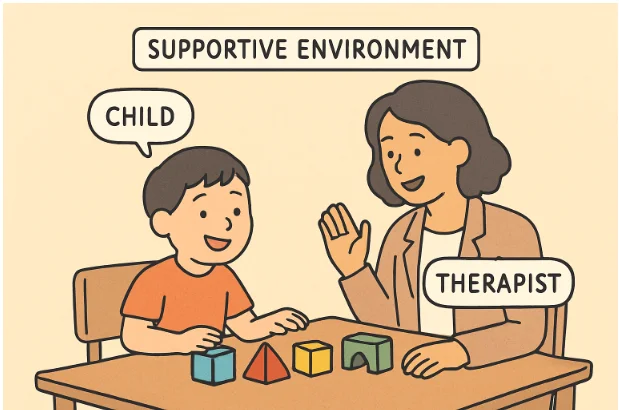
A successful early intervention program hinges on active parental involvement. Parents are a child’s first and most constant teachers, so their engagement in implementing strategies and reinforcing new skills at home is essential. Coaching and support for parents help them create a positive learning environment and consistently address behavioral challenges. As noted by the CDC, empowering parents through participation in therapy sessions and planning fosters stronger outcomes for children.
Parent-mediated interventions not only benefit the child but can also increase parental confidence and reduce stress, contributing to a healthier family dynamic. By learning to observe and support their child’s communication and play, parents can enhance gains made during therapy sessions and encourage skill use in natural environments.
Long-Term Benefits of Early Intervention
Initiating intervention as soon as developmental concerns are noted can lead to lasting improvements. Children who access early intensive therapy are more likely to demonstrate increased independence, pursue inclusive education, and develop meaningful relationships as they grow. Studies indicate that early support contributes to higher IQ scores and fewer autism-related symptoms into adolescence and adulthood.
- Significant improvement in communication and daily living skills.
- Greater engagement in academic and community activities.
- Increased capacity to form and maintain friendships.
- Higher likelihood of future employment and independent living.
According to the National Institutes of Health, children who receive early, tailored services can achieve their fullest potential and may even require less intensive support later in life, resulting in benefits not only for the individual but for society at large.
Challenges in Accessing Early Intervention Services
Despite the demonstrated effectiveness of early intervention, many families face obstacles in obtaining these crucial services. Among the most prevalent barriers are a shortage of trained professionals, high costs, varying insurance coverage, and geographical limitations, especially in rural or underserved areas.
- Long waitlists for specialized providers or diagnostic evaluations.
- Financial constraints due to inadequate insurance reimbursement or out-of-pocket costs.
- Lack of nearby clinics and transportation difficulties in remote communities.
- Delays in recognizing developmental differences and obtaining referrals from healthcare providers.
Addressing these challenges requires collaborative efforts among policymakers, the healthcare system, and advocacy groups to expand coverage, increase training, and ensure that every child can access intervention at the earliest possible stage.
Conclusion
Early intervention is a powerful and vital resource for children with Autism Spectrum Disorder and their families. Through timely diagnosis and access to individualized, evidence-based support, children can experience dramatic gains in communication, independence, and quality of life. Parental involvement, strong community networks, and ongoing improvements in service accessibility help ensure that every child has the chance to reach their fullest potential.