
Last Updated on February 9, 2026 by Luxe
Life on the road offers freedom, flexibility, and the chance to wake up to a new view whenever desired. RV travelers often find themselves far from traditional power hookups, especially when exploring scenic or remote areas. Electricity still plays a crucial role in comfort, safety, and connectivity, powering everything from lights to refrigerators and mobile devices. Relying only on campground hookups or fuel-powered generators can limit travel options and add ongoing costs. Solar power provides a practical, renewable way to keep essential systems running wherever sunlight is available. In this article, the key reasons solar energy has become an essential part of modern RV living are explained in clear, practical terms.
1. Extend Your Boondocking Freedom
Stay off-grid for days without needing hookups
Boondocking, or camping without utility hookups, is one of the most appealing aspects of RV life. Solar panels allow batteries to recharge during the day, reducing the need to search for powered campsites every night. This added flexibility makes it possible to stay longer in quiet deserts, forests, or lakeside spots. Instead of planning trips around electrical access, travel plans can revolve around scenery and weather. A steady solar setup helps maintain battery levels for multiple days under normal usage. Greater energy independence turns remote locations into comfortable temporary homes.
Power your lights, fridge, and devices anywhere
Daily RV life still depends on electricity for many basic needs. Interior lighting, water pumps, fans, and refrigerators all draw power throughout the day. Phones, tablets, and laptops also need regular charging to stay connected and navigate routes. Solar energy replenishes battery storage so these devices can run without constant worry about draining reserves. Consistent daytime charging supports normal routines, even when parked far from towns. Reliable access to power makes off-grid living feel far less restrictive.
2. Silent and Emission-Free Energy
No noisy generator disturbing nature (or your neighbors)
Traditional generators produce a constant mechanical noise that can interrupt the peaceful atmosphere of natural campsites. The hum may also disturb nearby campers who came to enjoy quiet surroundings. Solar systems operate silently, collecting energy without moving parts or engine sounds. This quiet operation is especially valuable during early mornings or late evenings when sound carries farther. A silent energy source helps maintain the calm environment many travelers seek. Peaceful surroundings contribute greatly to the overall RV experience.
Clean power with zero fumes or fuel costs
Fuel-powered generators emit exhaust fumes that can linger around campsites, especially in still air. Storing and handling fuel also adds inconvenience and safety considerations. Solar energy avoids these issues entirely by drawing power directly from sunlight. Once panels and storage systems are installed, there is no need to buy gasoline or propane for electricity. This reduces both ongoing expenses and environmental impact. Clean energy supports a healthier and more comfortable camping environment.
3. Save Money on Campgrounds and Fuel
Reduce or eliminate generator fuel expenses
Frequent generator use can become costly over long trips. Fuel prices fluctuate, and running a generator for hours each day adds up quickly. Solar charging reduces how often a generator needs to be used, lowering overall fuel consumption. Over time, these savings can offset part of the initial cost of solar equipment. Less reliance on fuel also means fewer trips to refill containers. Lower operating costs make extended travel more financially sustainable.
Stay at scenic free campsites instead of crowded RV parks
Many of the most beautiful camping locations do not offer electrical hookups. With dependable solar power, these spots become practical options rather than occasional treats. Avoiding hookup fees at commercial RV parks can significantly reduce travel expenses. It also allows for more privacy and closer access to nature. Flexible energy options make trip planning more about personal preference than infrastructure. Scenic stays become a regular part of the journey rather than rare exceptions.
4. Reliable Power in Remote Locations
Charge batteries even when far from towns
Remote travel often means long distances between services and towns. Solar panels continue producing energy wherever sunlight is available, independent of local infrastructure. This steady charging helps maintain battery levels for essential systems day after day. Even modest sunlight can contribute meaningful energy over several hours. Reliable charging reduces the need to drive solely to find electrical hookups. Greater self-sufficiency increases confidence when exploring less-traveled routes.
Keep communication and safety devices powered
Staying connected is important not only for convenience but also for safety. Phones, GPS units, and emergency radios all depend on reliable power. Solar-supported battery systems ensure these devices remain operational even during extended stays off-grid. Consistent energy also supports lighting and small medical or comfort devices when needed. Reliable electricity becomes part of an overall safety strategy while traveling. Confidence in power availability allows travelers to focus more on enjoying the journey.
5. Low Maintenance and Easy to Use
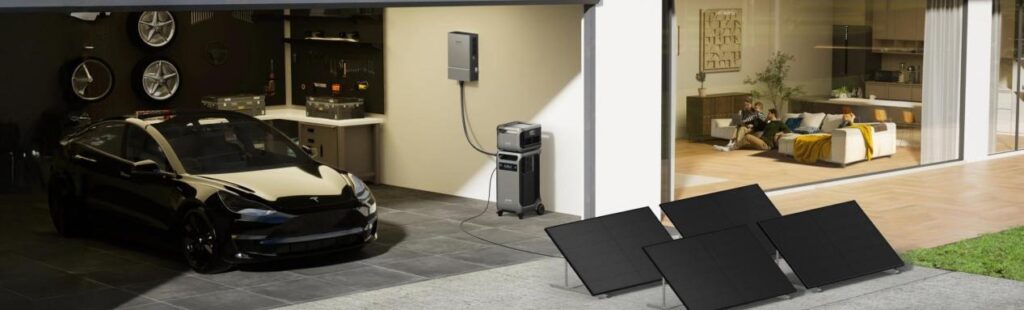
Modern RV solar setups are designed to work quietly in the background with minimal attention. Once panels are positioned and connected to a portable power station, daily operation often involves little more than monitoring battery levels. Portable solar panel generator systems such as Anker SOLIX models combine high-efficiency panels with durable, easy-to-carry power stations, making setup straightforward whether parked in a forest clearing or a desert overlook. Their flexible output options allow common RV devices to run without complicated wiring, while solar charging during the day helps maintain battery levels with little manual effort. With no fuel to store and few moving parts, routine upkeep is far simpler than managing a traditional generator. Simple operation encourages consistent use and helps keep energy systems reliable throughout long trips.
Conclusion
Solar power has become a practical cornerstone of modern RV living. It extends off-grid freedom, reduces noise, and lowers ongoing travel costs. Reliable charging supports essential devices and improves safety in remote areas. Quiet, clean energy enhances the overall camping experience for both travelers and neighbors. Low-maintenance systems make renewable power accessible even for those new to RV travel. With solar energy onboard, life on the road becomes more flexible, comfortable, and self-sufficient.