Last Updated on January 31, 2026 by Luxe
Boiler inefficiency rarely starts at the boiler itself. More often, it begins with poor condensate handling. When hot condensate fails to return quickly and cleanly, energy loss adds up fast.
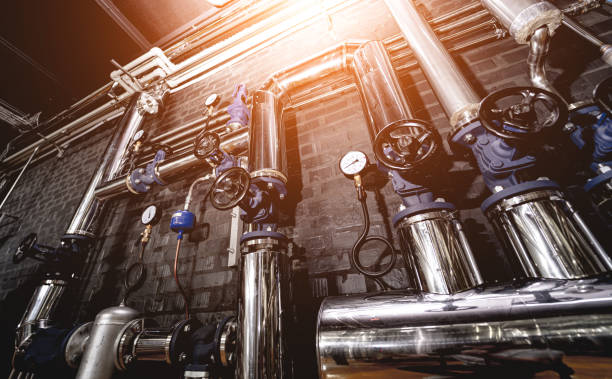
Maintenance issues follow. Downtime becomes frequent. This is where stainless steel condensate return systems quietly do the heavy lifting. Designed for durability, hygiene, and pressure stability, these systems protect boiler performance while reducing operating stress.
This post explains how modern top-mount condensate return units work, what features matter most, and how to choose systems that deliver long-term reliability.
How stainless steel condensate return systems support boiler efficiency
Condensate return systems serve one core purpose. They recover hot condensate and send it back to the boiler feed unit efficiently. Doing this well saves energy, reduces chemical use, and stabilizes boiler operation.
Stainless steel construction adds another layer of value. Unlike carbon steel, stainless steel resists corrosion caused by temperature swings, dissolved oxygen, and aggressive condensate chemistry. This resistance extends system life and reduces internal contamination.
Top-mount designs further simplify operation. Pumps mount directly on the receiver, which improves accessibility and reduces floor space requirements. Maintenance teams benefit from faster inspections and easier servicing. Over time, these design advantages translate into lower lifecycle costs and fewer operational surprises.
Why top-mount pump design improves reliability and maintenance access
Top-mount condensate return units place pumps above the receiver rather than beside it. This configuration protects pumps from flooding and debris accumulation. It also improves pump longevity under varying flow conditions.
Pump activation relies on a simple mechanical float device. As condensate levels rise, the float triggers the pump. As levels drop, the pump shuts off. This direct control method reduces electrical complexity and improves reliability.
Top-mounted pumps also simplify seal replacement and motor servicing. Technicians access components without draining the receiver. That alone reduces maintenance time during planned shutdowns. For facilities running continuous steam operations, this design choice minimizes disruption and keeps production steady.
Key performance features that matter in real-world operation
Performance specifications only matter when they match actual plant demands. Modern stainless steel top-mount systems handle flows up to 90 gallons per minute and pressures up to 85 psi. That range supports most industrial and commercial boiler applications.
Simplex and duplex configurations provide flexibility. Simplex systems suit stable loads. Duplex systems add redundancy, which protects operations during peak demand or pump maintenance.
Additional features improve day-to-day usability. Front-mounted sight glasses allow quick level checks. Dial thermometers provide instant temperature awareness. Stainless pump discharge heads resist wear under pressure cycling. Together, these features support consistent performance without adding unnecessary complexity.
Comparing simplex and duplex configurations
Choosing between simplex and duplex systems depends on operational risk tolerance and load variability. The table below highlights the practical differences.
| Feature | Simplex Configuration | Duplex Configuration |
| Number of pumps | One | Two |
| Redundancy | None | Full backup |
| Best for | Stable loads | Variable or critical loads |
| Maintenance flexibility | Limited | High |
| Initial cost | Lower | Higher |
Facilities with continuous steam demand often choose duplex systems. Redundancy protects uptime and allows maintenance without shutdowns. Smaller systems with predictable loads may operate efficiently with simplex designs.
Control simplicity and electrical flexibility.
Condensate return systems perform best when controls remain simple and durable. Tank-mounted or wall-mounted control panels provide flexible installation options. Integrated breakers and motor starters reduce external wiring needs.
Motor options further improve compatibility. Single-phase motors suit smaller facilities. Three-phase motors support industrial environments with higher load demands. Frequency control remains unnecessary in most condensate applications, which keeps system design straightforward.
This simplicity matters when comparing suppliers. Many stainless steel centrifugal pump manufacturers focus on adding features that complicate maintenance. Well-designed condensate systems prioritize reliability over unnecessary automation.
Why stainless steel construction reduces long-term operating risk
Material choice directly affects lifecycle performance. Stainless steel pumps and receivers resist corrosion, scaling, and thermal fatigue. These properties matter in condensate systems where temperature and chemistry fluctuate constantly.
Over time, stainless steel maintains smooth internal surfaces. This reduces fouling and preserves hydraulic efficiency. It also supports cleaner condensate return, which protects boiler internals and heat exchangers.
When evaluating options from stainless steel centrifugal pump manufacturers, material quality should rank high on the checklist. Lower upfront costs rarely offset higher maintenance and replacement expenses later.
Selecting the right system for your boiler application
Choosing the right condensate return system requires matching flow, pressure, and redundancy to real operating conditions. Oversizing wastes energy. Undersizing causes pump cycling and wear.
Facilities should also consider maintenance access, spare parts availability, and control simplicity. Systems designed with serviceability in mind reduce downtime and labor costs over their lifespan.
Experienced stainless steel centrifugal pump manufacturers design condensate systems that balance durability, accessibility, and performance. That balance delivers measurable value long after installation.
FAQs
What does a condensate return system do?
A condensate return system collects hot condensate and pumps it back to the boiler feed unit. This process conserves energy and reduces water treatment needs. It also stabilizes boiler operation.
Why choose stainless steel over carbon steel?
Stainless steel resists corrosion and thermal stress better. It lasts longer in harsh condensate environments. This reduces maintenance and replacement frequency.
When should I choose a duplex system?
Choose a duplex system when uptime matters. Redundant pumps protect the operation during maintenance or peak loads. They suit continuous steam processes.
Are mechanical float switches reliable?
Yes. Mechanical floats offer direct, proven control. They operate independently of complex electronics. This simplicity improves long-term reliability.
How much maintenance do top-mount systems require?
Maintenance remains minimal. Top-mounted pumps simplify access and servicing. Regular inspection keeps performance stable.
Conclusion
Efficient condensate handling protects boiler performance, energy efficiency, and equipment life. Stainless steel top-mount condensate return systems deliver reliability through smart design, durable materials, and simple controls.
By choosing the right configuration and construction quality, facilities reduce downtime and operating risk. If you’re evaluating condensate return options or planning system upgrades, now is the time to explore designs built for long-term performance.
Reach out to a trusted supplier, review system specifications carefully, and choose solutions that support efficiency beyond the boiler room.