Last Updated on January 30, 2026 by Luxe
Spring is theoretically a beautiful season. The flowers bloom, the grass turns green, and the air gets warmer. But for the millions of people who wear contact lenses and suffer from seasonal allergies, spring is not a celebration; it is a battle.
It starts with a subtle itch in the corner of the eye. Then comes the redness. Then the watering. By noon, your contact lenses feel like sandpaper discs floating in a pool of saltwater. You spend the day rubbing your eyes, which only smears makeup or introduces more allergens, creating a vicious cycle of irritation.
We often stubbornly push through this discomfort. We drip saline solution into our eyes every hour, convinced that wearing glasses is “giving up.”
But taking a break from contacts isn’t a defeat; it is a health necessity. And thanks to the current renaissance in eyewear design, it is also a massive style upgrade. It is time to stop fighting your own physiology and embrace the relief of the switch.
(Image Source: Vooglam)
The Science of the Itch
Why do contacts make allergies so much worse? It comes down to physics and biology.
When pollen counts are high, the air is filled with microscopic particles. If you aren’t wearing lenses, your tears naturally flush these particles out every time you blink.
However, a contact lens acts like a trap. It sits on the cornea and creates a barrier. Pollen, dust, and dander get stuck underneath or on the surface of the lens. The lens effectively holds the allergen against the surface of your eye for 12 hours straight.
Furthermore, during allergy season, your eyes produce more protein deposits. These stick to the lens, creating a “biofilm” that feels gritty and fogs your vision. No amount of eye drops can fully clear this debris while the lens is in. The only real cure is oxygen and airflow.
The Shield Effect
Glasses do more than just correct your vision; they act as physical armor.
When you wear a pair of frames, you are placing a transparent shield in front of your eyes. While they aren’t airtight goggles, they significantly reduce the airflow hitting the surface of your eye. This deflects a large amount of wind-blown pollen and dust before it ever reaches your tear film.
For severe allergy sufferers, slightly oversized frames or “wrap-around” styles offer even better protection, covering more surface area and blocking particles from entering from the top or sides.
Making the Switch Look Intentional
The reluctance to switch often comes from vanity. We feel like our “best self” is the version without glasses. We associate glasses with late nights, tiredness, or “not trying.”
The trick is to have a pair of glasses that looks so good, you actually want to wear them.
If you are digging an old, bent pair of wireframes out of a drawer, of course you will feel frumpy. But if you invest in a sharp, modern pair, the narrative changes.
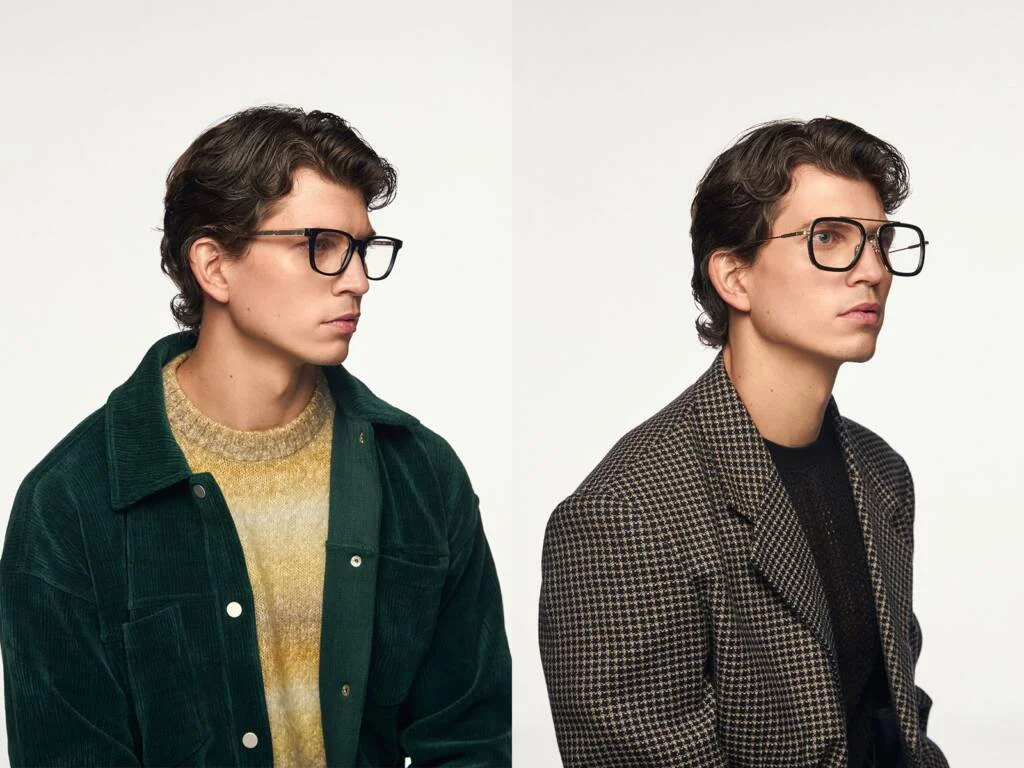
For men, specifically, this is often a hurdle. Many guys rely on contacts for sports or just habit. But swapping the contacts for a bold pair of glasses frames for men—think a strong acetate browline or a clean, grey transparent frame—can completely refresh your look. It signals maturity. It frames the face. Suddenly, you aren’t the guy with red, watery eyes; you are the guy with the cool glasses.
The “Relief Pair” Strategy
You don’t need to burn your contacts forever. You just need a “Relief Pair” for the high-pollen days.
Check the weather report. On days when the pollen count is designated “High” or “Very High,” make the executive decision to wear your glasses before you even leave the house.
This strategy is easier than ever because of accessibility. You can buy eyeglasses online for a fraction of what they used to cost. This means you can afford to have a specific pair just for allergy season—maybe something fun and colorful that boosts your mood when you are feeling congested and miserable.
Lens Tech for Sensitive Eyes
When your eyes are inflamed from allergies, they become hypersensitive to everything else—especially light.
The glare from your laptop screen or the fluorescent lights in your office can feel piercingly painful when you are in the middle of an allergy flare-up.
Your “Allergy Specs” should be equipped to handle this:
- Blue Light Blocking: This coating filters out the high-energy blue light from screens. It softens the visual world, reducing the strain on eyes that are already working overtime to stay focused through the tears.
- Photochromic Lenses: If your eyes are sensitive to sunlight (photophobia is common with allergies), lenses that automatically darken outside are a lifesaver. It saves you from squinting, which reduces the pressure on your sinuses.
Conclusion
Your eyes work hard for you. They process millions of bits of information every day. Forcing them to endure a piece of plastic covered in pollen is a punishment they don’t deserve.
Listen to your body. When the seasons change and the air turns yellow with pollen, give your eyes a vacation. Put on a great pair of frames. You will look sharper, you will see clearer, and most importantly, you will stop rubbing your eyes long enough to actually enjoy the spring.