Last Updated on January 22, 2026 by Luxe
Key Takeaways
- Digital receipts support sustainability, minimizing both clutter and environmental impact.
- Digitally stored receipts are easy to organize, search, and retrieve for a wide range of financial needs.
- Integrating digital receipt management tools can enhance budgeting accuracy and provide a more comprehensive financial insight.
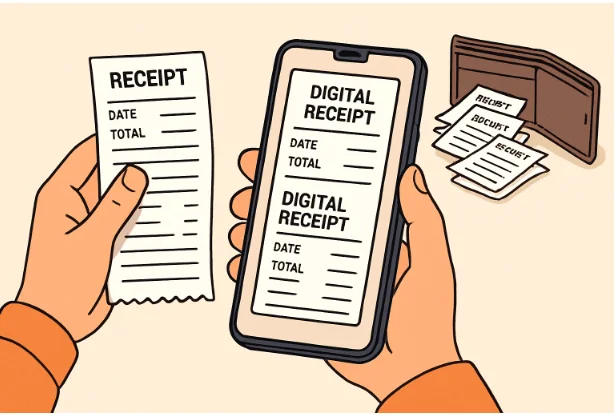
Every purchase you make, whether in-store or online, typically leaves a trail in the form of a receipt. As paper slips begin to clutter wallets, drawers, and desktops, the rise of digital alternatives promises a more innovative solution. The adoption of digital receipt management tools, such as an AI receipt scanner, can ease the chaos and help consumers instantly organize and access their purchase records. Not only do these tools reduce waste, but they also enhance our ability to track spending and maintain financial order.
By converting everyday receipts into digital records, individuals can streamline their expense management and quickly retrieve documentation for tax returns, warranties, or bookkeeping purposes. Retailers are increasingly offering digital receipts as they strive to improve convenience and reduce their environmental impact, making the transition easier than ever for consumers seeking to simplify their daily lives.
The Shift Towards Digital Receipts
With the integration of technology into retail and e-commerce, an increasing number of businesses are adopting digital receipts as their preferred method of transaction documentation. Surveys indicate a strong consumer interest in paperless solutions, with nearly 80% of frequent shoppers expressing a preference for electronic receipts over physical slips. Retailers cite improved customer satisfaction, reduced printing costs, and streamlined store operations as key motivators for transitioning to digital systems.
This move reflects a broader digital transformation in personal finance management, where cloud-based documentation and real-time expense tracking are becoming the norm. Digital receipts simplify expense reports for business travelers and make returns and exchanges easier, eliminating concerns about fading ink or misplaced slips.
Environmental and Health Benefits
The environmental implications of digital receipt adoption are significant. Paper receipts contribute to deforestation and pollution, generating billions of dollars each year globally. Additionally, most thermal paper receipts contain chemicals such as BPA and BPS, which are linked to potential health risks associated with regular handling. Swapping paper for digital records thus supports both sustainability and personal well-being by reducing exposure to toxins.
Enhanced Organization and Accessibility
Paper receipts are notorious for getting lost, fading over time, or becoming illegible, making them an unreliable method for managing vital purchase records. Digital receipt management offers a clear advantage by allowing users to quickly store, search, and categorize receipts from any device. With robust categorization features found in many apps, consumers can sort expenses by store, date, or purchase type, streamlining everything from budgeting to tax filing.
Implementing Digital Receipt Management
Step 1: Select the Right Receipt Management App
The marketplace offers a wide range of solutions, from comprehensive personal finance platforms to specialized scanning apps. When choosing a tool, look for features such as cloud backup, easy data export, integration with accounting software, and the ability to capture receipts from emails or images automatically.
Step 2: Automate Receipt Collection
Set up your software to automatically gather digital receipts. Many apps can sync with your email inbox or work directly with participating retailers. This eliminates manual entry and ensures no purchase slips through the cracks.
Step 3: Organize by Category
An effective organization is key to maximizing the advantages of digital receipts. Create custom folders or tags for common spending areas such as groceries, utilities, work expenses, and entertainment. This structure facilitates quick lookups and advanced reporting for budgeting insights.
Step 4: Review and Reconcile Regularly
Make it a habit to check your digital receipt archive weekly or monthly. Reviewing your spending patterns not only helps prevent errors but also uncovers opportunities to save or improve your financial habits.
Overcoming Common Challenges
While the shift to digital receipt management provides numerous benefits, it’s natural to encounter some obstacles, especially regarding privacy and adaptation. To ensure data safety, choose platforms with robust encryption and transparent privacy policies. Most reputable providers are regularly audited and comply with international data protection standards.
Another frequent challenge is user resistance. Overcoming this requires a combination of education and hands-on experience. Explore tutorials and user forums, and gradually familiarize yourself with your chosen app’s features to ease the transition. As comfort with technology grows, so does the value gained from streamlined receipt management.
Future Trends in Digital Receipt Management
Looking ahead, advancements in artificial intelligence and machine learning are poised to transform digital receipt management further. These technologies enable the automatic identification and categorization of expenses, flagging abnormal spending and even suggesting personalized savings strategies. Deeper integration with banking, budgeting, and tax preparation software will enable even more seamless financial oversight, making manual tracking a thing of the past.
Conclusion
Digital receipt management offers far more than convenience—it provides a practical solution for sustainability, organization, and financial clarity. By shifting from paper to digital records, individuals reduce waste while keeping purchase information easily accessible and securely stored. Organized digital receipts simplify budgeting, expense tracking, and tax preparation, helping users make informed financial decisions. With reliable tools and strategies, anyone can streamline their record-keeping, minimize clutter, and gain a comprehensive view of spending habits. This approach not only enhances personal efficiency but also promotes environmentally responsible and financially savvy habits in daily life.