Last Updated on January 20, 2026 by Luxe
- Behavioral technicians provide direct support to individuals with behavioral challenges.
- Clear education and certification pathways make this a highly accessible career.
- Practical experience and ongoing learning are essential for long-term success.
- Opportunities for advancement and specialization abound within the field.
Starting a career as a behavioral technician is both personally rewarding and professionally meaningful, helping people who need life-changing support. Those interested in entering this field will find it to be both accessible and impactful, provided they understand the steps required to enter and thrive in the industry. Before exploring the details of education, certification, and career progression, it’s important what is a behavioral technician and its importance within the broader behavioral health landscape.
Behavioral technicians, or Registered Behavior Technicians (RBTs), play a crucial role in implementing behavioral interventions under the guidance of certified analysts. The profession emphasizes compassion, communication, and adaptability, offering ample career growth opportunities while positively impacting client outcomes. As the field evolves with new research, the demand for skilled technicians remains strong, making these roles accessible and vital for those seeking to enter or pivot within healthcare. Additionally, this career path provides avenues for further specialization and advancement in behavioral health, addressing complex needs and ensuring job security.
Understanding the Role of a Behavioral Technician
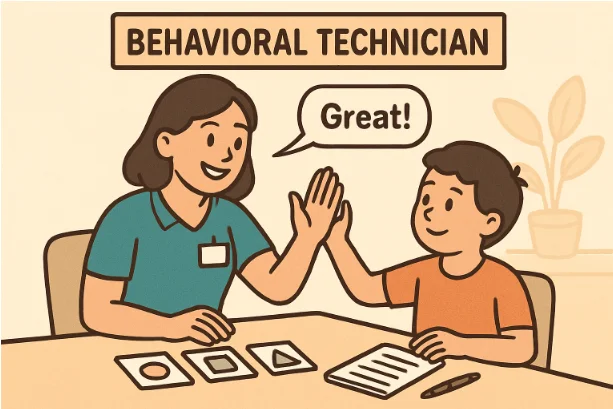
At its core, the behavioral technician position centers on assisting clients, often children or adults with autism spectrum disorders, developmental delays, or behavioral difficulties in gaining new skills and managing behaviors. Working closely under the supervision of Board Certified Behavior Analysts (BCBAs), technicians implement evidence-based treatment plans tailored to each client’s unique goals.
Daily responsibilities may include guiding clients through skill acquisition exercises, facilitating social and communication development, observing behaviors, and recording detailed data to measure progress. Technicians work in diverse environments, from schools and clinics to private homes, making adaptability and patience vital traits. Both families and schools rely on RBTs to reinforce positive behaviors and enhance clients’ overall quality of life, building trusting relationships along the way.
Educational Requirements
Unlike many health-related roles, becoming a behavioral technician is accessible to those holding a high school diploma or GED. However, candidates with an associate’s or bachelor’s degree in psychology, education, or a closely related field may find themselves better equipped with foundational knowledge. Courses in child development, educational psychology, or applied behavior analysis (ABA) are particularly valuable, as they familiarize prospective technicians with the field’s terminology and best practices.
Employers may also value prior experience working with children, individuals with disabilities, or in supportive care settings. While higher-level academic credentials are not always required, a background in behavioral sciences can set you apart during the hiring process.
Certification Process
To demonstrate competency and commitment, most employers require the Registered Behavior Technician (RBT) credential issued by the Behavior Analyst Certification Board (BACB). The certification process consists of:
- 40-Hour Training: Prospective RBTs must complete a BACB-compliant training covering basic behavioral principles, skill acquisition, data collection, behavior reduction, and professional ethics.
- Competency Assessment: Candidates must showcase their grasp of core concepts in a real-world setting, evaluated by a BACB-certified supervisor through observation and direct assessment.
- RBT Exam: Passing a computer-based exam focused on applied behavior analysis and ethical practice is the final step. This measures your readiness and comprehension of essential technical and interpersonal skills.
The certification process assures employers and families that the technician is equipped to safely and effectively provide care, protecting both clients and professionals.
Refer to the BACB RBT Handbook for the most up-to-date certification process and requirements.
Gaining Practical Experience
Hands-on experience is vital for mastering the principles and dynamic application of ABA therapy. Many aspiring technicians gain this through entry-level positions, internships, or volunteer opportunities in schools, clinics, or community organizations. Direct service delivery under supervision helps future RBTs build critical observation skills, learn to collect objective data, and understand nuanced client needs across various settings.
Maintaining Certification and Continuing Education
To ensure enduring quality of care and professional growth, RBTs must meet BACB renewal requirements each year. This usually includes paying a renewal fee and completing continuing education units (CEUs) focused on professional ethics, technological advancements, and updated ABA methodologies. Continuing education is especially advantageous for those aspiring to further advancement, such as becoming an assistant behavior analyst or a full BCBA.
Career Advancement Opportunities
The behavioral technician role is a stepping stone to a range of higher-level positions, including BCBA, clinical supervisor, or specialist in autism support, addiction recovery, or trauma intervention. Advancement typically requires pursuing a bachelor’s or master’s degree in behavior analysis or a related field, accumulating supervised work hours, and passing additional certification exams. Technicians can also move laterally into education, healthcare administration, or digital health roles, depending on their experience and interests.
Embracing Technological Advancements
With the integration of technology into behavioral health, today’s technicians benefit from mastering tools like electronic health records (EHRs), telehealth applications, and behavioral data software. These technologies not only improve service delivery and track client progress with greater precision, but also prepare RBTs for the future demands of behavioral therapy. Embracing digital advancements positions technicians as indispensable assets in modern care teams.
Conclusion
Starting a career as a behavioral technician is an accessible path that puts you in a position to make meaningful, lasting changes in people’s lives. By following structured steps, education, certification, practical experience, and commitment to ongoing learning, you will build a foundation for long-term professional success in the behavioral health field. This journey calls for compassion, adaptability, and a dedication to helping others thrive.