Last Updated on January 20, 2026 by Luxe
Daily activities that used to be considered routine tend to become riskier as people age. Seniors are more susceptible to emergency situations, particularly when living alone, and their health conditions, lack of mobility, and balance make them more prone to emergencies.
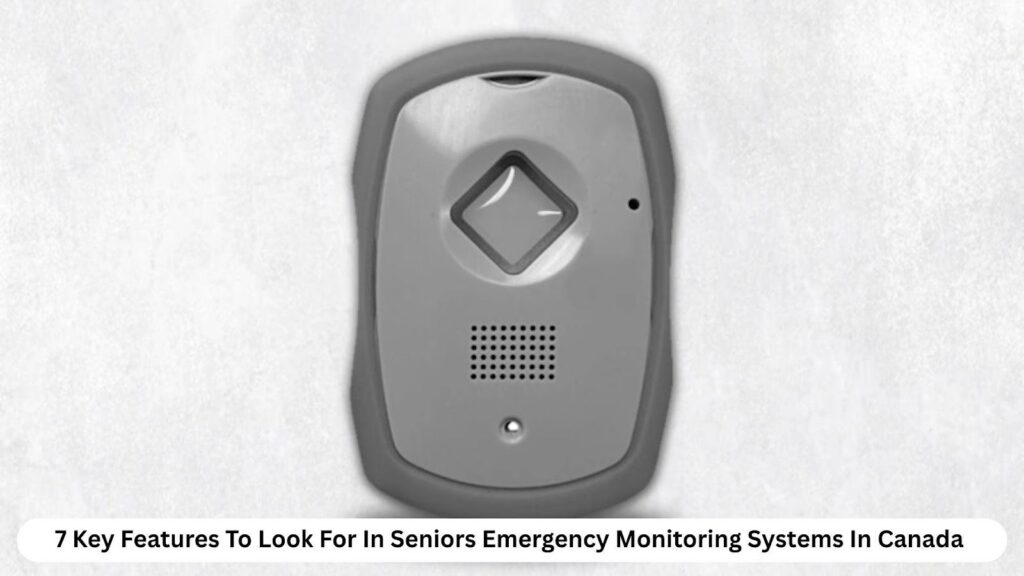
For these situations, the use of seniors’ emergency monitoring systems is especially crucial in offering prompt and encouraging help. These systems are created to provide both security and reassurance to seniors by linking them to professional assistance in the event of a medical emergency, fall, or sudden distress.
However, the selection of the appropriate system should be done with great caution. Not all systems have an equal amount of support, reliability, and ease of use. Learning the main characteristics that are significant assists families and caregivers in making reasonable decisions.
The following are seven essential features that need to be considered when looking for emergency monitoring systems in Canada.
1. Ease of Use and Simple Operation
The ease with which seniors can use a monitoring system is a key consideration when selecting seniors emergency monitoring systems in Canada. The devices must have easy-to-use controls and clear instructions so that the elderly can operate them without any confusion or frustration.
Single-button feature systems enable seniors to inform emergency services or designated contacts when they are in an emergency. This simplicity is what makes help just one push away, even in stressful situations.
Moreover, the usability is increased with clear indicators, audible alerts, and responsive designs. Ensuring that the elderly are comfortable using the device without having to rely on someone enhances the overall safety and promotes regular use.
2. Automatic Fall Detection Technology
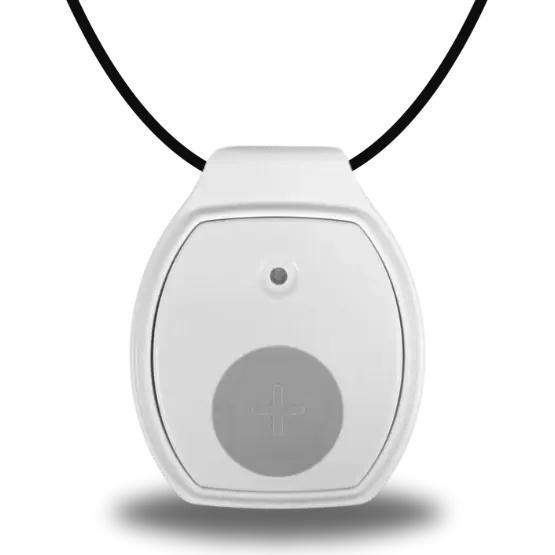
One of the most important functions of the modern monitoring systems is automatic fall detection. This technology can detect the sudden movement or impact that signals a fall and automatically alert emergency responders or caregivers.
By automatically detecting falls, the system also offers assistance even when the senior cannot press the alert button themselves. This is particularly crucial to individuals who have physical disabilities or who live alone.
Reliable fall detection decreases the response time, which could lead to more severe injuries or complications. To the family, it provides comfort that, despite an accident happening without their notice, help will be sent immediately.
3. Two-Way Voice Communication
Communication is an essential element of any emergency system. Two-way voice communication provides seniors the ability to talk directly to trained professionals or emergency responders using the device.
The feature guarantees that clear instructions and support can be given instantly, making seniors stay calm as they receive guidance. It also enables the responders to determine the situation correctly before reaching, so that the most suitable service is provided.
To ensure effective communication, a good speaker and a sensitive microphone are required. This makes the system more reliable and gives users and their families a sense of security.
4. 24/7 Professional Monitoring
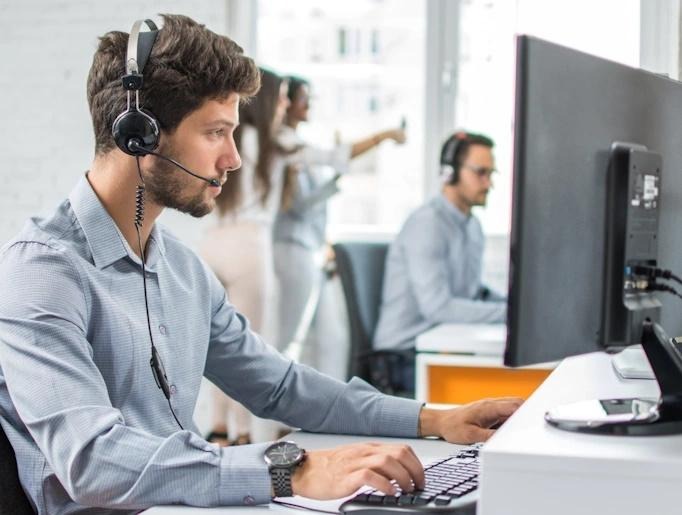
An effective monitoring system should offer 24/7 monitoring services. 24/7 professional monitoring ensures that there are always trained personnel to attend to emergencies, irrespective of the time of day.
This is particularly critical among the seniors who might have medical conditions at night or when their family members are not around. Professional monitoring services make sure that they address alerts immediately and call the necessary emergency services.
Constant attention to seniors allows them to be independent while knowing that assistance is always close by, creating a safe environment and giving the family some peace of mind.
5. Water Resistance and Comfortable Wearability
Seniors should be able to wear their monitoring devices comfortably throughout the day, including during showers or while engaging in daily activities. Water resistance ensures that the device remains functional even when exposed to moisture.
Whether worn as a wristband or pendant, the system should be lightweight and non-intrusive, encouraging consistent use. Comfortable, durable designs reduce the risk of the device being removed or neglected, ensuring continuous protection.
Wearable monitoring devices that are both resilient and user-friendly combine safety with convenience, making them more effective in supporting seniors’ daily routines.
6. GPS Location Tracking Capability
For seniors who travel outside the home or engage in outdoor activities, GPS location tracking is an invaluable feature. This technology allows emergency responders to determine the exact location of the senior in real-time, significantly reducing response times in emergencies.
Whether a senior experiences disorientation, a medical event, or a fall outside the home, GPS tracking ensures that help can be dispatched to the precise location quickly.
This is particularly important for seniors with memory challenges or those who enjoy independent travel, providing an additional layer of security and enabling peace of mind for both the user and their family.
7. Long Battery Life and Power Reliability
Finally, a dependable emergency monitoring system must have long-lasting battery life and reliable power management. Devices with extended battery capacity reduce the risk of the system failing during critical moments.
Some systems offer backup batteries to maintain operation during power outages, ensuring continuous monitoring and protection. Clear battery indicators and timely alerts for low power help users maintain functionality without interruptions.
By choosing a system with dependable power, seniors and their families can trust that emergency assistance is available whenever needed, reinforcing the overall reliability and effectiveness of the device.
Conclusion
Selecting the right emergency monitoring system for seniors requires careful attention to features that truly enhance safety and independence. Ease of use, fall detection, clear communication, constant monitoring, comfortable design, accurate location tracking, and reliable battery life all play essential roles in effective emergency response.
When these features work together, they create a dependable support system that protects seniors while allowing them to maintain confidence in daily living. By understanding and prioritizing these key elements, families can make informed choices that provide lasting peace of mind and a higher quality of life for seniors across Canada.