Last Updated on January 12, 2026 by Luxe
The decade of your 30s often brings significant life changes, from career advancements to growing families. Amid these new responsibilities, it’s easy to let personal health slide down the priority list. However, this period is a critical time for establishing habits that will define your well-being for decades to come. Think of your 30s not as an extension of your 20s, but as the foundational decade for a long and vibrant life.
The Shift in Your Body’s Blueprint
As you enter your 30s, your body undergoes subtle yet important changes. These shifts are a natural part of aging, but your actions during this decade can greatly influence their impact.
Muscle Mass and Metabolism
Beginning around age 30, most people start to lose muscle mass at a rate of 3-5% per decade if they are not physically active. This loss, known as sarcopenia, can slow down your metabolism. A slower metabolism means your body burns fewer calories at rest, which can lead to gradual weight gain if you don’t adjust your diet or activity levels.
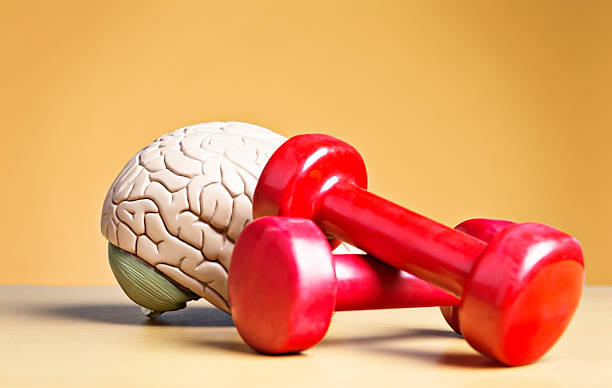
Incorporating strength training into your routine becomes essential. You don’t need to become a bodybuilder; consistent resistance exercises two to three times a week can help preserve and build muscle, keeping your metabolism efficient and your body strong.
Bone Density Peaks
Your bones reach their peak density and strength around age 30. After this point, your body begins to break down old bone faster than it builds new bone. Establishing good habits now is your best defense against osteoporosis later in life.
Ensure you get enough calcium and vitamin D, two key nutrients for bone health. Weight-bearing exercises like walking, jogging, and dancing also help strengthen bones, providing a solid framework for the years ahead.
Beyond the Physical: Mental and Emotional Health
Your 30s are not just about physical changes. This is often a time of increased stress from career pressures, financial obligations, and family life. Managing mental and emotional well-being is just as crucial as physical fitness.
Managing Stress Effectively
Chronic stress can have tangible effects on your physical health, contributing to high blood pressure, poor sleep, and a weakened immune system. Learning to manage stress is a skill that pays dividends.
Explore techniques like mindfulness, meditation, or simple breathing exercises. Making time for hobbies and activities you enjoy can also provide a necessary outlet and create a better sense of balance. If stress feels overwhelming, seeking support from a professional or a dedicated wellness center can provide valuable tools and guidance.
Prioritizing Sleep
The idea of “sleeping when you’re older” is a dangerous myth. Sleep is not a luxury; it is a biological necessity. During sleep, your body repairs cells, consolidates memories, and regulates hormones. Consistent sleep deprivation can negatively affect your mood, concentration, and long-term health.
Aim for 7-9 hours of quality sleep per night. Establish a relaxing bedtime routine and create a comfortable sleep environment to help make this a consistent habit.
Building Your Health Foundation
The habits you solidify in your 30s create the blueprint for your health in your 40s, 50s, and beyond. This is the time to be proactive, not reactive.
Focus on a balanced diet rich in whole foods like fruits, vegetables, lean proteins, and whole grains. Reduce your intake of processed foods, sugary drinks, and excessive alcohol. Regular physical activity, a focus on sleep, and proactive stress management complete the picture.
By viewing your 30s as a crucial window of opportunity, you can take control of your health narrative. The small, consistent efforts you make today are a powerful investment in a healthier, more energetic future.