Last Updated on January 10, 2026 by Luxe
Community health does not usually announce itself. It does not arrive with a grand opening or a press release. In many places, it shows up quietly through a school visit, a home check-in, or a short conversation with someone who notices when a cough lasts too long, or a child looks thinner than last month. In 2026, this is not a secondary approach to healthcare. For millions of people, it is the approach.
When health systems are under strain, the damage is rarely dramatic at first. Clinics stay open, at least on paper. Policies still exist. Funding is technically allocated. But staff rotate too quickly, essential medicines run out, and appointments depend on timing rather than urgency. Over time, manageable conditions stop being manageable. Not because solutions are unknown, but because access keeps slipping.
This pattern is visible in countries living through conflict, such as Gaza, Sudan, Ukraine, and Yemen, but it does not end there. In many low-income regions across Sub-Saharan Africa and South Asia, pressure builds slowly instead of suddenly. Population growth, climate stress, and limited public investment wear systems down year after year. Community-led health initiatives have filled those gaps not with ideal solutions, but with workable ones.
Care That Fits into Everyday Life
One clear change over the past few years has been a quiet move away from relying on centralised care alone. Hospitals still matter. They always will. But they cannot absorb every demand, especially when distance, cost, or security stand in the way.
As a result, more care is now delivered closer to where people actually live. Mobile clinics travel along informal routes. Outreach teams return to the same villages regularly. Health workers are trained locally, often by people who understand the social fabric as well as the symptoms.
The work itself can look modest. Pregnancy check-ins. Medication explanations. Follow-ups on missed vaccinations. Early warnings that something is not right. These moments add up. Familiarity reduces hesitation. Questions get asked earlier. Instructions are followed more carefully.
Public health research in the UK has consistently shown that trust and proximity shape outcomes as much as infrastructure. In places where formal systems are fragile, those factors stop being supportive and start being essential.
Health Care Under Conflict and Displacement
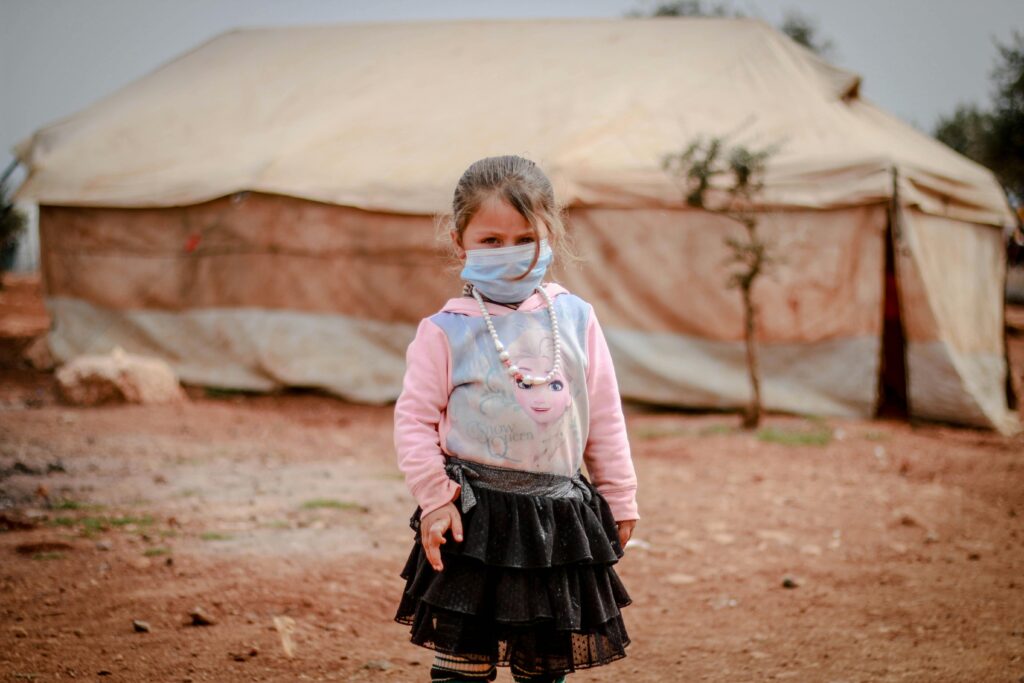
Conflict leaves little room for rigid systems. Facilities are damaged. Supply chains break without warning. Staff move for safety or do not return. Under these conditions, healthcare either adapts or disappears.
More flexible models have held up better. Mobile medical teams, decentralised trauma care, and community-based nutrition support continue functioning when conditions shift. One of the quieter priorities in these settings is continuity, especially for people managing long-term illness.
Chronic conditions do not wait for stability. Diabetes, asthma, and heart disease all continue in the background, even during displacement. When treatment stops, consequences follow quickly. Community-led monitoring and basic medication support have reduced that risk in places where hospitals cannot provide consistency.
Some international organisations work alongside local providers to keep these systems running rather than replacing them. Within wider health discussions, Muslim aid is often mentioned for taking this collaborative approach, supporting existing delivery structures and focusing on what can be sustained, not just what can be seen.
Inequality Without an Emergency Label
Health inequality does not always come with urgency or headlines. In many poorer countries, the challenges are slower, quieter, and easier to overlook. Food insecurity, unsafe water, limited maternal care, and gaps in routine immunisation shape outcomes year after year.
Community health initiatives in these settings tend to focus on prevention. Nutrition awareness. Sanitation support. Regular maternal check-ups. Vaccination follow-through. These programmes are not complex, but they are consistent, and consistency matters.
Evidence from the UK’s National Health Service continues to point in the same direction: prevention works earlier, costs less, and protects systems from collapse. When adapted locally, these principles translate well beyond high-income settings.
Mental Health Finds Its Place
Humanitarian health planning has often placed mental health on the margins. That is no longer a viable viewpoint. In 2026, discussions for emotional and psychological assistance are inevitable due to displacement, prolonged uncertainty, and economic distress.
Mental health awareness is becoming more and more integrated into routine services rather than depending solely on experts, who are hard to come by in many areas. Teachers, midwives, and outreach workers are trained to identify distress and provide first aid. This approach lessens stigma and barriers. It also corresponds with reality: there is a great need, yet there are still few specialised resources.
What Progress Actually Looks Like
Community health initiatives do not often attract attention. Their impact shows up gradually: fewer missed vaccinations, safer births, and chronic illnesses that stay manageable instead of escalating.
In 2026, this kind of progress matters more than scale or speed. By staying close to daily realities and strengthening what already exists, community-based health care continues to deliver where larger systems struggle to adapt.
Not because it is perfect. But because, quietly and consistently, it works.