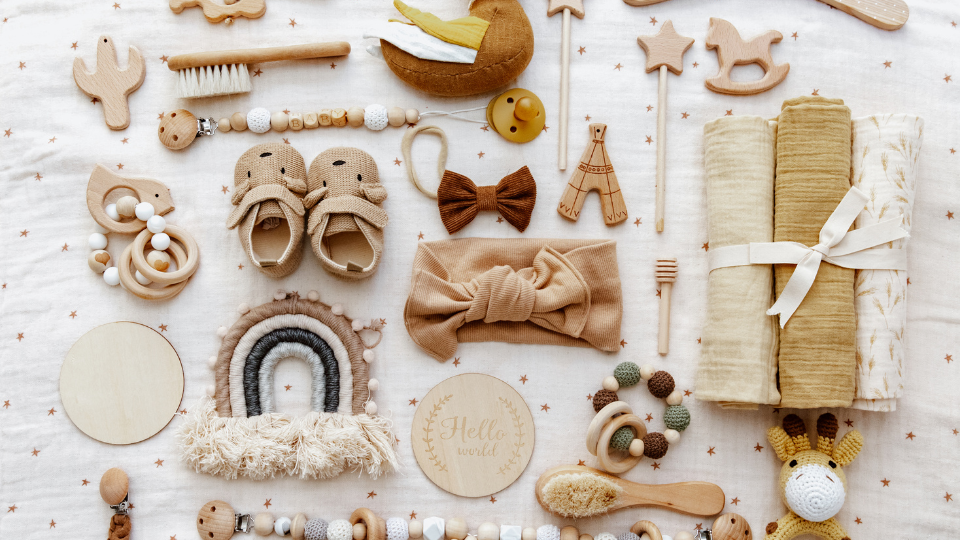
Picture yourself standing in a baby superstore, surrounded by mountains of brightly colored contraptions. Each package screams “must-have!” and “essential!” Yet you’re frozen, wondering what you actually need versus what’s just clever marketing. Here’s the reality check you deserve: most of those things? You won’t use it.
Learning how to choose baby items that match your actual life, not some idealized Pinterest version, will save you serious cash and spare you from tripping over unused gadgets. This baby essentials guide strips away the marketing fluff and gives you practical wisdom for decisions that genuinely serve your family.
Contents
Essential Pre-Shopping Preparation for Baby Items
Smart shopping begins way before you ever swipe your card. You need clarity on your circumstances and a solid game plan that prevents impulse buys you’ll regret.
Assessing Your Lifestyle and Space Constraints
Where you live changes everything about what gear makes sense. Apartment dwellers? You need compact, dual-purpose items that won’t devour your square footage. Got a house with a garage? You’ve got more flexibility for bulkier equipment. Consider your movement patterns, are you a walk-everywhere urbanite or do you drive to most places? Planning lots of travel with your little one?
Storage capacity determines whether you can handle that full-size stroller or need something that collapses to briefcase size. Here’s something revealing: surveys show that 35% of the “best” and 44% of the “worst” baby products are uncategorized in parent feedback. Know what that tells us? These decisions are incredibly individual. Your neighbor’s miracle product might be your dust collector.
Creating a Realistic Budget and Priority System
Don’t fall into the trap of buying everything in one frenzied shopping spree. Prioritize non-negotiables first, think car seats and safe sleep spaces. Then layer in convenience items as your actual needs emerge. Try the 70-20-10 approach: allocate 70% toward absolute essentials, 20% for genuinely helpful additions, and reserve 10% for those inevitable surprises nobody warned you about.
Shopping for baby items through established retailers like Little Canadian provides you with access to competitive rates on quality brands without the big-box store headaches. You get those warehouse prices paired with knowledgeable service that actually helps you navigate decisions.
Understanding Safety Standards and Certifications
Those acronyms, JPMA, ASTM, CPSC, aren’t just bureaucratic nonsense. They’re your protection system. Products bearing these certifications passed serious testing for hazards that could harm your child. Always complete product registration so you’re immediately notified about any recalls.
Independent testing organizations beat manufacturer promises every single time. Consumer Reports and similar watchdogs offer unbiased evaluations that are absolutely worth consulting before dropping serious money.
Smart Strategies for Choosing High-Quality Baby Products
Now that you’ve got your foundation sorted, let’s talk about how to evaluate products in ways that reveal their true value versus manufactured hype.
Reading Beyond Star Ratings and Reviews
A five-star average doesn’t tell you much. Hunt for that “verified purchase” indicator and focus on three-star reviews, these tend to offer the most balanced perspective on both benefits and drawbacks. You’re looking for patterns in negative feedback, not isolated complaints from one cranky customer.
Compare reviews across different platforms. If something’s beloved on Amazon but trashed on specialized parenting sites, that’s your red flag. Pay attention to when reviews were posted too. Older complaints might reference issues the manufacturer has since fixed.
The Total Cost of Ownership Formula
That budget bassinet at $100 looks tempting compared to a $300 convertible crib. But wait, you’ll need that crib in half a year anyway. Calculate what you’re spending across two or three years, factoring in replacement parts and necessary add-ons. Best baby products often demand higher upfront investment but deliver superior long-term value through durability and adaptability.
Don’t ignore resale potential. Quality strollers and car seats commonly retain 40-60% of their original value, which effectively lowers your actual cost when you pass them along.
Seasonal Timing for Maximum Savings
Baby gear has predictable discount cycles if you know where to look. Prime Day and Black Friday deliver legitimate deals on expensive items, while end-of-season clearances work beautifully for clothing. Registry completion discounts, typically 10-15%, can stack with other offers if your timing’s strategic.
Most major brands release new models annually. Last year’s version? Performs identically but costs 30-40% less once the updated model hits shelves.
Top Baby Items for Parents: Category-by-Category Breakdown
With your evaluation framework locked in, let’s apply these principles to the specific categories you’ll encounter.
Sleep Solutions That Adapt and Grow
Convertible cribs that transition into toddler beds earn their premium pricing through years of use. Sleep sacks outperform loose blankets for safety while adapting to different seasons with various tog ratings. Interestingly, 51% of parents report their child’s preferences influence clothing purchases, and 63% prioritize comfortable fabrics above all else. That comfort principle extends directly to sleep gear.
White noise machines with automatic shutoff help establish sleep patterns without creating long-term dependency. Choose models with battery backup so a power outage doesn’t wake your peacefully sleeping baby.
Feeding Equipment for Every Feeding Journey
Your feeding method, breast, formula, or combination, determines what equipment makes sense. Bottle compatibility matters more than you’d think. Some systems use proprietary components that become expensive to maintain. High chairs require surfaces you can wipe clean in seconds plus secure harness systems. Don’t compromise on safety here.
Breast pumps should align with your work situation. Full-time office workers need hospital-grade efficiency, while occasional users might manage perfectly with manual or single-electric versions.
On-the-Go Gear for Modern Families
Stroller selection hinges entirely on where you’ll actually use it. Joggers conquer rough terrain but won’t squeeze through tight store aisles. Lightweight umbrella strollers fold beautifully but sacrifice storage capacity. For car seats, installation simplicity beats fancy features, a seat you can’t install correctly offers zero protection.
Baby carriers offer wonderful hands-free mobility, but fit matters enormously for both your comfort and baby’s safety. Try multiple styles before committing.
Buying Baby Gear Tips: Where and When to Purchase
Understanding what to buy is only half the battle. Strategic timing and smart sourcing can cut your costs by 30-50% on identical products.
Retail Channels Comparison and Best Use Cases
Big-box retailers provide convenience plus forgiving return policies, making them perfect for testing items you might return if they don’t suit your needs. Specialty boutiques charge slightly more but deliver expert guidance that’s invaluable when you’re genuinely stuck. Online marketplaces let you see real customer photos showing actual daily use.
Direct-to-consumer brands eliminate middleman markups, but scrutinize return policies carefully. Some charge hefty return shipping that erases any savings.
Secondhand and Sustainable Shopping Safety
Never, ever buy used car seats, cribs, or breast pumps. Safety standards evolve and you cannot verify their complete history. Consignment shops work wonderfully for barely-worn clothing and gently-used toys. Inspect everything carefully for recalls, damage, and missing components before purchasing.
Verify expiration dates on car seats and breast pump parts. These aren’t suggestions, materials degrade over time, compromising the safety they’re supposed to provide.
Registry Strategy for Maximum Benefit
Multi-store registries let guests shop wherever they prefer, though tracking becomes chaotic. Universal registry platforms solve this while consolidating completion discounts. Include items across various price points so everyone finds something matching their budget.
Add a cash fund for items you plan to buy secondhand or prefer to select yourself after the baby arrives and you understand your actual needs.
Making Smart Choices for Your Family
Here’s what matters: you don’t need every product marketed as essential. Concentrate on verified safety certifications, your genuine lifestyle requirements, and total ownership costs instead of impressive-sounding features.
Every family operates differently, what rescued your best friend might frustrate you endlessly. The top baby items for parents are simply those addressing your specific challenges while respecting your budget and safety standards. Trust your judgment, learn from other parents’ experiences without blindly copying them, and give yourself permission to adapt as you discover what genuinely matters to your family.
Common Questions Parents Ask
When should I start buying baby essentials during pregnancy?
Start during your second trimester after major health screenings conclude. Begin with furniture needing assembly time, then add perishables closer to your due date to prevent waste from expired or unused items.
What baby products do pediatricians recommend avoiding?
Pediatricians warn against crib bumpers, sleep positioners, inclined sleepers, and infant walkers due to documented safety risks. Skip products containing fragrances, formaldehyde, flame retardants, and phthalates that trigger respiratory or hormonal problems.