Last Updated on December 8, 2025 by Luxe
Tokyo often feels safe, yet the scale of the city can be overwhelming for newcomers. Streets shift from neon districts to calm residential pockets within minutes. Learning how movement, etiquette, and communication work in this setting builds confidence. The article below shares travel awareness tips, neighborhood insights, cultural considerations, and small strategies that support a smooth experience.
Recognizing Safe Spaces and Public Behavior
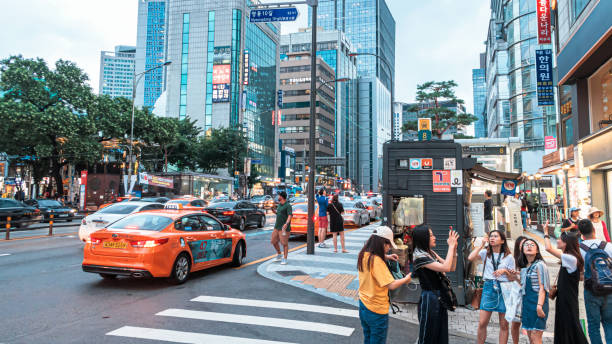
Tokyo’s neighborhoods each have a distinct rhythm. Women often appreciate districts like Meguro, Daikanyama, Ebisu, and Kagurazaka for their calm atmosphere. These areas feel less crowded during evenings and have plenty of cafés, shops, and well-lit paths. Popular spots like Shibuya and Shinjuku are lively but can feel hectic for travelers unfamiliar with packed intersections or late-night crowds.
Public behavior is typically respectful. People keep their personal space and follow unwritten rules. This helps visitors move comfortably, although attention to surroundings remains important. Carrying essentials in a secure bag and knowing general directions before heading out helps maintain steady awareness. Many travelers rely on a Tokyo eSIM for quick map checks or translation support, which adds convenience during daily movement.
Helpful habits for busy districts
- Keep valuables secured and bags zipped.
- Plan a simple route before heading into packed crossings.
- Step to the side when checking a map or taking a photo.
- Choose well-lit streets when returning after evening outings.
Navigating Transportation with Confidence
Tokyo’s transit system is vast, clean, and reliable. Stations can be large, yet signs are clear and frequently updated. Women traveling alone often find comfort in the predictable schedules and monitored platforms. Train etiquette values quiet conversation and orderly boarding. Understanding these patterns encourages smoother navigation.
Train and station pointers
- Stand behind platform lines and avoid rushing during peak hours.
- Use women-only cars when available during morning and evening commutes.
- Follow overhead signs carefully to locate the correct exits.
- Stay aware of personal items when boarding or exiting in crowds.
A stable data connection helps keep track of train times and alternative routes during transfers. Many visitors appreciate having a Tokyo eSIM that offers steady access without juggling physical cards. It supports quick research when exploring large hubs like Tokyo Station or Ikebukuro.
Reading Local Etiquette and Cultural Cues
Etiquette shapes daily exchanges across Tokyo. Respectful manners make interactions smoother and help visitors blend naturally. Simple gestures like queuing patiently, keeping voices low on public transit, and greeting store staff politely go a long way.
Restaurants and cafés often display instructions for seating, ordering, or paying. Some use vending-machine tickets, while others assign seats directly. Sensitivity to these cues avoids confusion. Many women travelers feel more comfortable after learning a few basic phrases, which encourages friendly communication with shopkeepers and servers.
Key cultural reminders
- Bow slightly to acknowledge greetings or assistance.
- Avoid eating while walking on busy streets.
- Keep your phones on silent mode in public transportation.
- Remove shoes when required in traditional spaces.
A sense of awareness grows naturally when travelers observe how locals interact. This helps identify trustworthy establishments and comfortable environments for dining, shopping, or relaxing.
Using Local Services Responsibly
Japan values orderly public services. Convenience stores, vending machines, pharmacies, and shopping centers function efficiently. Staff members are usually helpful, even with minimal English communication. When assistance is needed, showing a screenshot or a simple phrase works well.
Payment systems across Tokyo are reliable. Most shops accept cards, yet carrying small cash amounts helps with older establishments or local stalls. ATMs inside major convenience stores operate around the clock, giving travelers dependable access to money.
Choosing Accommodations That Support Comfort
Areas like Shinagawa, Asakusa, Shinjuku, and Ueno offer a mix of hotels with easy access to transit. Female travelers sometimes prefer hotels with 24-hour front desks, secure entry systems, and good lighting around the building. Capsule hotels designed specifically for women can also feel safe and convenient for short stays.
Reading recent guest reviews gives insight into noise levels, access to transportation, and staff responsiveness. Selecting accommodations near major train lines makes exploring the city faster and reduces late-night travel time.
Staying Prepared Without Feeling Anxious
Awareness and enjoyment can go together. Tokyo gives travelers a sense of structure that encourages confident exploration. By recognizing neighborhood dynamics, respecting cultural cues, and preparing with simple tools, women can experience the city with ease.
A Tokyo eSIM can support quick checks, directions, or simple communication, yet the overall sense of safety primarily comes from understanding surroundings and staying attentive. Staying calm, trusting instincts, and choosing steady routines throughout the trip strengthen overall comfort.
Tokyo offers a blend of energy, order, and charm that inspires visitors from around the world. Female travelers can enjoy the city more fully when equipped with thoughtful habits and awareness. Exploring districts with confidence, reading cultural cues, navigating transit smoothly, and choosing comfortable routes all contribute to a balanced journey. With the help of practical tools like an eSIM and a mindful approach, any trip to Tokyo becomes more secure, smooth, and memorable.