Last Updated on December 8, 2025 by Luxe
Key Takeaways
- Early water exposure supports physical, cognitive, and emotional development in young children.
- Supervised water play can improve motor skills, language acquisition, and social interactions.
- Ensuring safety during water activities is paramount to maximizing benefits and preventing risks.
Table of Contents
- Physical Development
- Cognitive Growth
- Emotional and Social Benefits
- Sensory Exploration
- Language and Communication Skills
- Safety Considerations
- Recommended Water Activities
- Final Thoughts
Introducing your baby or toddler to water environments from a young age provides a wealth of developmental benefits. Gentle water activities can foster stronger physical health while igniting cognitive skills and promoting emotional connection between child and caregiver. Getting involved in baby swim lessons is one of the best ways to start your little one’s aquatic journey and will set the stage for a lifetime of comfort and confidence in the water.
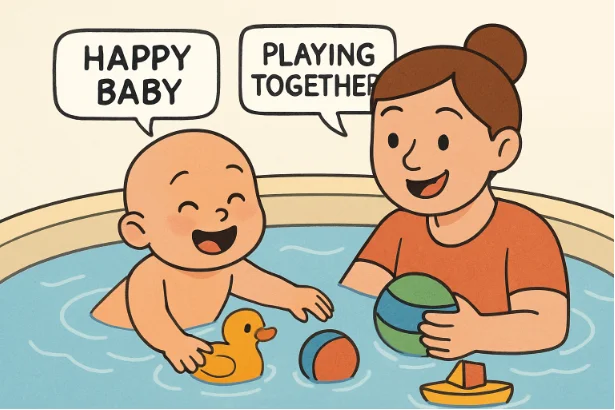
Supervised water play, whether in a cozy bathtub or a carefully monitored pool, opens up a world of sensory, cognitive, and social experiences. These moments not only support important motor milestones but also stimulate early curiosity, helping even the youngest children understand fundamental language, interactions, and emotional cues.
Engaging in water-based activities with your baby isn’t just about fun—each splash, kick, and giggle delivers measurable boosts to their neural and emotional development. In safe, positive water spaces, infants and toddlers develop vital problem-solving skills in a nurturing environment, empowered by their own explorations and the joyful presence of their caregivers.
Beyond the tangible physical gains, these experiences reinforce trust, promote sensory integration, and encourage expressive communication. Whether exploring bath toys, observing ripples, or imitating simple words and actions, young children thrive when given regular and safe opportunities to interact with water.
Physical Development
Water activities are particularly effective in helping infants and toddlers achieve physical milestones. The supportive properties of water reduce gravitational stress, enabling children to move, stretch, and balance with greater ease compared to land-based play. Kicking, splashing, and reaching for floating objects in the water strengthens muscles, enhances joint flexibility, and boosts coordination. Regular aquatic play lays the groundwork for essential skills such as sitting up, crawling, and eventually walking, while offering a low-impact way to remain active.
Cognitive Growth
Water play is naturally engaging and brimming with learning opportunities. As children interact with water and various objects, they start making discoveries about cause and effect—seeing what sinks or floats, or how water pours from one container to another. These hands-on experiences foster problem-solving skills and introduce basic scientific concepts in an engaging and accessible way. According to research published in Healthline, early swimming lessons have even been linked to improved memory, attention span, and advanced cognitive development in young children.
Emotional and Social Benefits
Building confidence in the water starts with trust—and nothing is more vital than the close bond between child and caregiver during aquatic time. Shared water activities promote secure attachment, soothe anxieties, and establish an emotional foundation of safety and confidence. When toddlers participate in group water play, they are introduced to new social situations that naturally encourage sharing, turn-taking, and basic communication. These interactions foster early emotional intelligence and refine emerging social skills through collaboration and play.
Sensory Exploration
Water offers an incredible spectrum of sensory input. Babies and toddlers delight in feeling temperature changes, splashing with different water pressures, and observing the shimmer of light on the surface. This multi-sensory stimulation encourages sensory processing and supports the development of body awareness. Sensory-rich water play can be particularly beneficial for children with sensory processing challenges, as it helps regulate emotions and physical responses through gentle, controlled exposure.
Language and Communication Skills
Water play offers a vibrant setting that encourages both verbal and non-verbal communication. As caregivers narrate activities—describing how water is “sloshing,” toys are “floating,” or hands are “splashing”—children absorb new words and their meanings. Frequent conversations during activities in and around water expand vocabulary and promote language development. These conversations, paired with joyful gestures and interactive games, lay the foundation for confident self-expression as children grow.
Safety Considerations
Safety must always be the top priority when introducing babies and toddlers to water environments. Vigilant supervision is key, regardless of your child’s perceived comfort level around water. Always check that the temperature is suitable for young children, use approved flotation devices when appropriate, and eliminate distractions while supervising water activities. The Centers for Disease Control and Prevention (CDC) recommends constant, close, and attentive supervision to prevent accidents and ensure a positive, worry-free water experience for all.
Recommended Water Activities
- Bath Time Play: Simple bath toys or plastic cups can encourage babies to reach, grasp, and explore the differences between floating and sinking objects.
- Supervised Pool Sessions: Visit a warm, shallow pool and incorporate gentle games or movement. Singing songs while swaying or kicking together builds rhythm, trust, and confidence.
- Water Tables and Outdoor Splash Play: Outdoor water tables enable toddlers to explore pouring, scooping, and splashing—activities that sharpen fine motor skills in a safe and engaging environment.
Final Thoughts
Early water experiences are a powerful and holistic way to encourage growth across all developmental domains—physical, cognitive, social, and emotional. By integrating safe and engaging water activities into your child’s daily routine, you’re helping to cultivate the strength, confidence, and curiosity that will serve them well throughout life. Water play is not just a source of endless fun, but an essential tool for promoting lifelong health, learning, and well-being for your baby or toddler.