Last Updated on November 13, 2025 by Luxe
Adolescence is a pivotal period of personal transformation, during which individuals undergo significant physical, emotional, and mental growth. Lack of sleep during this period is detrimental to a teen’s overall health and development. Considerable numbers of young people report difficulty getting enough sleep. Social, academic, and technological changes place excessive pressure on teens, resulting in fatigue, lack of concentration, and irritability. This is where sleep hygiene education for adolescents is valuable in preventing unnecessary suffering and promoting healthy patterns that can improve overall quality of life.
Everyone in a young person’s life needs to appreciate how sleep—or lack thereof—affects their emotional health and school performance to implement the necessary changes to increase the time spent resting and recovering.
The Importance of Sleep Hygiene in Adolescence
The concept of sleep hygiene is the practices and patterns that help an individual obtain quality and restful sleep. This is especially important for adolescents. Teenagers need to sleep for 8 to 10 uninterrupted hours every night, which is an average of 10 sleep cycles. Unfortunately, most teens do not come close to getting the sleep that they need. The impact of sleep deprivation goes beyond fatigue. It can cause health issues, and it can impair a person’s ability to regulate their mood, make reasonable decisions, and learn new information.
Teens are still developing, and they need restorative sleep to properly grow. Increased and restorative sleep resolves anxiety, irritation, and cognitive loss. Teaching sleep hygiene and the mechanisms of sleep allows the adolescent to manage their wellness.
Sleep hygiene allows young people to better manage their energy, improve their emotional and social disengagement, and focus on academics.
Common Sleep Challenges Faced by Adolescents
Adolescents and teens need restful sleep, but they face numerous obstacles and barriers. One of the biggest challenges is the biological shift of their circadian rhythm, which causes teens to prefer later sleep and wake times. Schools, however, have an early wake-up schedule, which causes chronic sleep deprivation.
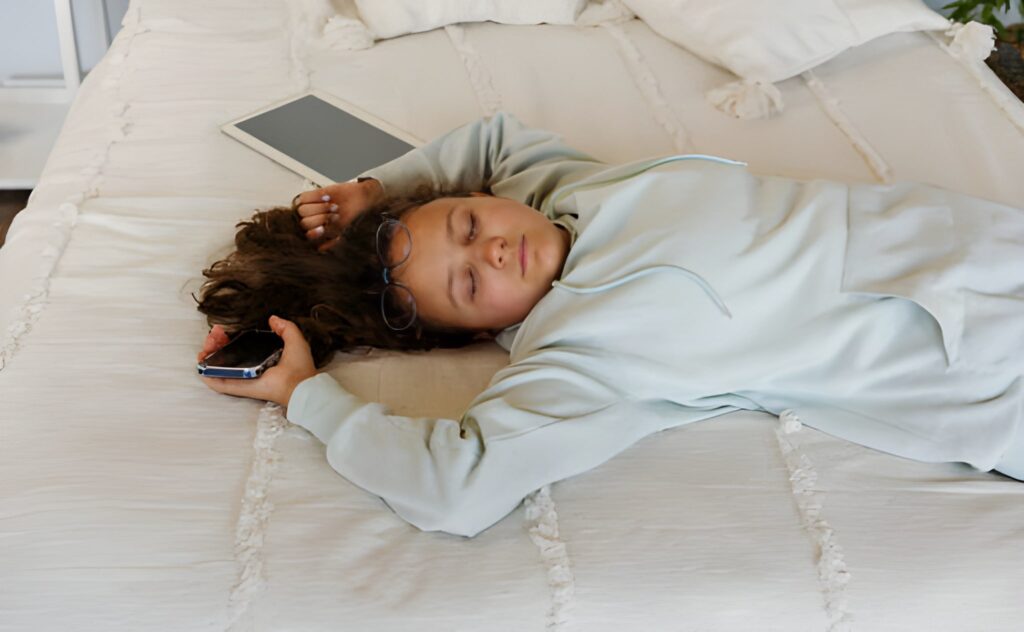
Stress and anxiety, whether from school, socially, or personally, can also cause sleep disturbances. The increased use of digital devices has also contributed. Phones, tablets, and laptops emit blue light, which has been shown to depress the sleep hormone melatonin.
Things like noise, a bedroom that isn’t set up comfortably, and late-night snacks can also be factors. Overcoming these obstacles through targeted sleep hygiene education for adolescents helps teens identify unhealthy habits and modify them to As these habits reinforce sleep hygiene, teens are likely to experience positive sleep outcomes.
Effective Sleep Hygiene Practices for Teenagers
Educating on sleep hygiene doesn’t have to be complicated. It is about a few straightforward ideas and a lot of repetition to ensure teens internalize them. For example, suggest that teens go to bed and wake up at the same time every day. This helps to reset the internal sleeping clock. When sleep patterns are constant, the sleep-wake cycle is naturally reinforced, which helps to minimize restlessness during the night.
A wind-down routine is also beneficial. Resting activities like reading, gentle stretching, or listening to soothing music help the mind to rest. Keeping away from caffeinated drinks in the evening and not eating heavy meals right before sleep helps to improve sleep hygiene.
Having a room that is dark and quiet helps to increase the sleep hormone, melatonin. Sleep hygiene education for adolescents provides families with the knowledge to incorporate these habits into everyday life, changing a challenging bedtime into a soothing nightly routine.
The Relationship Between Technology and Teen Sleep Patterns
For today’s teenagers, technology is a double-edged sword. While digital tools can help with school and staying connected with friends, using devices for prolonged periods during the evening is really destructive. The blue light from electronic devices inhibits the production of melatonin, the hormone responsible for inducing sleep, pushing sleep time further into the night.
Excess social media use can cause mental stimulation, making it even harder to unwind. The onslaught of messages and notifications can create FOMO, and the need to relax can keep teenagers alert, causing even more sleep problems. Sleep hygiene lessons for teenagers should include the concept of “digital curfews.” Insisting that they turn off all devices for a minimum of one hour before bed might help improve sleep.
Increased sleep hygiene can be encouraged by replacing electronic screens with quiet and calm activities, such as journaling, meditation, and reading before bed. Parents can set the pace by showing that they value sleep and rest, as well as fostering a balance with constant connectedness in the whole household.
The Connection Between Sleep Hygiene and Academic Performance
Where there is sleep, there is performance. Students who get enough sleep have better memory, attention, and problem-solving skills. Meanwhile, sleep deprivation makes for poor focus, slow processors, and emotional imbalance—all of which affect learning outcomes.
When a student is underslept, poor retention and information application during tests and discussions are guaranteed. On top of this, a lack of sleep causes motivation and resilience to dwindle, leading to the risk of academic burnout. Structured sleep hygiene education for adolescents could unclog the stuck relationship between a teen’s sleep and a teen’s performance.
Resting is a key factor to heightened confidence and alertness, which makes school easier. School performance is not the only thing that improves; mental health is positively impacted, too. Stress and anxiety symptoms are lessened. Schools that see sleep education as a form of restorative sleep hygiene see improvements in all the participants as well!
Getting Teens to Sleep Well
The place where a teen sleeps greatly influences sleep quality. A room that is sleep-friendly becomes cool, dark, and comfortable. Deep sleep is possible when there is relaxation, and the room is distraction-free. Having clean, clutter-free surroundings makes it easy to be calm. Clean bedding and pillows make it easier to be at ease and calm as well. Along with these, relaxing scents like lavender or chamomile during bedtime can signal to the brain to relax. Parents tend to support their teens by crafting a bedtime routine to create a safe and consistently nurturing place for them to relax.
When families start practicing sleep hygiene, education for adolescents becomes easier. They learn how minor adjustments like switching off the lights or quieting down the environment can improve the quality of sleep. This reinforces positive self-care activities and mindfulness for the day and can help highlight the importance of calm for the night.
Helping Adolescents Sleep Better
To support teens to advocate for their rest, it starts with a calm and open dialogue. Parents and teachers can highlight how rest can influence their mood, concentration, and overall performance. This way, teens won’t feel like it is another chore but feel empowered to take responsibility for their sleep and rest.
Their sleep cycle and mental well-being for the day improve when stressed teens are encouraged to relax, wake at the same time in the morning over the weekend, and practice sleep hygiene. Other activities like mindfulness, deep breathing, relaxation, or gentle yoga can help disengage the mind from the activities of the day.
Education on sleep hygiene is not a single event but rather a progressive experience of continuous learning, adapting, and practicing healthy habits until it becomes second nature. When families and schools join forces to encourage proper rest, adolescents have a greater chance of leaning into positive mental health and advancing emotional and psychological well-being.
The mission of MyTeen is to provide adolescents with thoughtfully integrated, research-based care that supports balanced mental and emotional health by resolving core sleep and anxiety issues. Focusing on improving sleep hygiene has a remarkable impact on adolescents’ mental equilibrium, health, and concentration, resulting in more positive psychological, emotional, and overall well-being