Last Updated on January 19, 2026 by Luxe
A free trip or a major cash reward can spark excitement in seconds. The rush of hope feels real, especially when a giveaway looks simple and the prize seems perfect. Most people enter with trust, but scammers rely on that trust more than anything else. Fake giveaways spread fast, and the people behind them know how to make a page look polished enough to fool almost anyone.
Real sweepstakes exist in huge numbers, and many deliver real prizes. The problem comes from the growing wave of imitation contests that exist only to gather data, harvest clicks, or push malware. These traps often look harmless at first glance. A closer look often reveals warning signs that expose the truth. The red flags below help you stay alert and avoid scams disguised as “too good to miss” opportunities.
Red Flag #1: No Official Rules or Eligibility Page
Legitimate giveaways always provide clear rules. A real sponsor shows who can enter, what the prize includes, when the giveaway starts and ends, how winners are chosen, and what restrictions apply. A page without rules hides essential information and signals a lack of accountability.
Scammers use vague or missing rules to hide their intentions and shift details whenever it suits them. A legitimate sponsor has no freedom to do that. Any giveaway that refuses to provide a proper rules page deserves serious caution.
Red Flag #2: Prizes That Sound Unrealistic or Vague
Grand prizes appear in real sweepstakes, but legitimate contests always provide specific details. A description that promises a luxury car, an “all-expenses” world trip, or a huge cash prize without the sponsor’s name, value information, or fulfillment process points toward fraud.
A vague prize exists only to attract attention. Scammers copy images from real promotions or stock photos and offer prizes they never intend to deliver. A prize with no verification details deserves strong skepticism.
Red Flag #3: A Sponsor With No Verifiable Identity
Every legitimate giveaway has a sponsor you can research. A real company lists its name, website, social media presence, and contact information. A fake giveaway often hides behind generic descriptions and avoids anything that reveals who runs it.
Before entering, search the sponsor’s name on Google, check its official site, and compare branding. A giveaway page that shows no real identity or directs you to unrelated domains fails a basic trust test.
Many people explore a wide range of genuine online interests, including topics such as Colombian women for marriage, which shows how diverse internet searches can be. A trustworthy giveaway respects that diversity and never hides behind unrelated keywords or vague identities in an attempt to appear legitimate.
Red Flag #4: Requests for Payment to Enter or Claim a Prize
No real giveaway demands money. Any request for a fee, shipping cost, tax deposit, or “processing charge” signals a scam. Real sweepstakes never ask winners to pay for the chance to receive something.
Scammers often claim that payment “secures” the prize or “verifies” identity. None of these claims reflects industry standards. A legitimate sponsor handles all prize expenses. A request for money means the giveaway has no intention of awarding anything.
Red Flag #5: Requests for Excessive Personal Information
Basic details like your name, email address, or mailing address remain standard for most sweepstakes. Anything beyond that moves into risky territory. A form that asks for bank details, Social Security numbers, government ID scans, or access to personal accounts signals real danger.
Fraudsters view your personal information as the real reward. Once they obtain sensitive details, they may sell them, misuse them for fraud, or launch additional attempts to deceive you. No genuine sweepstakes seeks that kind of information.
Red Flag #6: Suspicious Social Media Behavior
Social media giveaways often spread quickly, and scammers use that speed to their advantage. A suspicious account usually shows one or more of the signals below:
- A profile with almost no post history
- Followers that appear fake or purchased
- A username that imitates a real brand without verification
- Comments filled with generic responses or bots.
A giveaway account should reflect normal activity and a real presence. Any page that appeared a few days ago and now claims to offer massive prizes doesn’t deserve trust.
Red Flag #7: Messages Claiming You Already Won
Scammers often reach out before a contest ends. A message that declares you a winner without proof, especially if it arrives through a direct message, points toward manipulation. Real sponsors inform winners through verifiable emails or official channels and never rush people into decisions.
Pressure tactics such as “claim this now or lose it” create urgency to distract from the scam. A real sponsor never forces winners into immediate action. Any message designed to push fast decisions deserves skepticism.
Red Flag #8: Broken Links, Strange URLs, or Low-Quality Pages
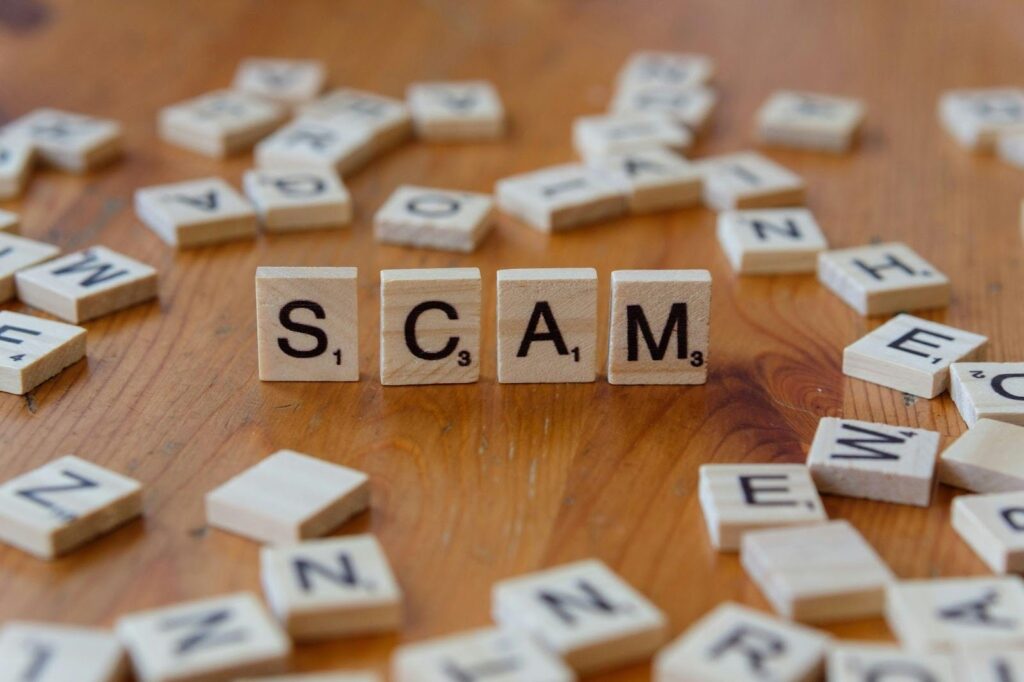
A giveaway page should reflect the standards of the sponsor behind it. Scammers use broken links, mismatched branding, poorly edited images, and low-quality text because their focus lies on speed, not professionalism. These pages often redirect visitors to unfamiliar sites or contain links that don’t match the promised destination.
A list of common warning signs includes:
- URLs filled with numbers or random characters
- Pages that redirect to unrelated content
- Spelling or grammar errors that appear across the page
- Branding that fails to match a known company.
Pages like this deserve close attention. Fraudsters rely on sloppy design because they know some users will overlook inconsistencies.
Final Check Before You Click
Giveaways should feel fun and harmless, yet caution matters more than ever. Scammers target people who rush into entries without checking details. A few extra seconds spent verifying a sponsor, reading rules, or examining a site can prevent a scam from reaching you. Most real sweepstakes follow clear rules, provide strong verification steps, and identify their sponsors openly.
Any giveaway that hides details, asks for money, or pressures you into disclosure falls outside the boundaries of legitimacy. Awareness protects your information and keeps your focus on genuine opportunities. Staying alert increases your chances of claiming real wins while avoiding fake offers that exist only to steal your time or personal data.