Last Updated on January 7, 2026 by Luxe
In a world obsessed with the “next big thing,” where trends cycle through social media feeds at breakneck speeds, there remains a steadfast anchor: classic design. Whether it is the silhouette of a 1950s Porsche, the clean lines of a mid-century modern chair, or the timeless elegance of a trench coat, certain aesthetics refuse to age. But why? Why do we find ourselves returning to the same forms, materials, and principles decade after decade?
The answer lies deeper than mere nostalgia. Classic design resonates because it solves problems—both functional and emotional—in ways that ephemeral trends cannot. It offers a sense of stability in a chaotic world and provides a visual language that is universally understood. By understanding the core pillars of timeless aesthetics, we can make better choices for our homes, our wardrobes, and our lives, investing in pieces that offer value for a lifetime rather than a season.
Here is why classic design continues to capture our imagination and why it remains the smartest investment you can make.
1. The Psychology of Balance and Proportion
At its heart, classic design is rooted in mathematical harmony. Throughout history, from the architecture of the Parthenon to the design of the iPhone, humans have been drawn to the “Golden Ratio”—a specific proportion that the human eye finds naturally pleasing and calming. Classic design rarely relies on shock value or jarring asymmetry. Instead, it prioritizes balance.
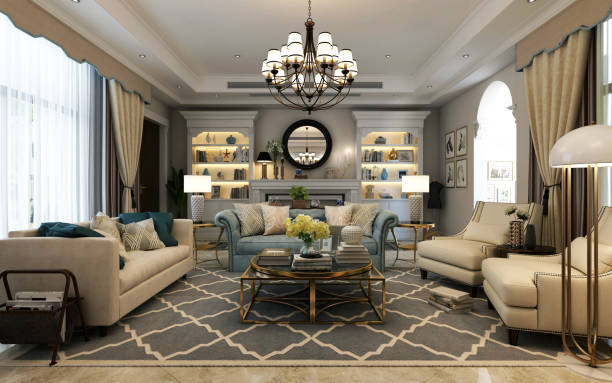
When you walk into a room furnished with classic pieces, your brain doesn’t have to work hard to process the environment. The symmetry and logical flow of the design reduce cognitive load, creating a sense of peace. In an era of digital overstimulation, this visual quietness is a luxury. We gravitate toward these designs not just because they look good, but because they physically make us feel more relaxed.
Tip: When evaluating a new purchase, look for symmetry and clean lines. If a piece feels “busy” or confusing to the eye, it is likely a trend that will induce visual fatigue over time.
2. Unmatched Versatility and Adaptability
One of the hallmarks of a true classic is its chameleon-like ability to fit into any environment. A trend-heavy item often demands that you design the entire room or outfit around it. In contrast, classic design plays well with others. It serves as a foundational element that allows your personal style to evolve without requiring a complete overhaul of your possessions.
Consider a white button-down shirt or a leather chesterfield sofa. These items can look at home in a minimalist industrial loft, a cozy farmhouse, or a high-end corporate office. This versatility is practical. It means that as you move homes, change jobs, or grow older, your core possessions can come with you, adapting to your new context rather than becoming obsolete.
3. The Emotional Weight of Permanence
We live in a disposable culture, yet we crave permanence. There is a profound emotional solidity in owning items that feel like they were built to last. Classic design often utilizes materials that age gracefully—solid wood that develops a patina, leather that softens, or metals that maintain their luster. These materials tell a story of longevity.
This desire for permanence is most evident when we choose symbols for the most important milestones in our lives. When marking an eternal commitment, for example, we rarely look for the “flavor of the month” that might look dated in two years. We look for enduring beauty. This is why classic engagement rings for women remain the gold standard. Whether it is a simple solitaire or a vintage-inspired cut, these designs represent a love meant to last forever, remaining unaffected by the changing tides of fast fashion.
4. Sustainability Through Longevity
Perhaps the most modern argument for classic design is an environmental one. The “fast furniture” and “fast fashion” industries are major contributors to global waste, relying on a model of planned obsolescence where items are designed to fall apart or go out of style quickly. Classic design is the antithesis of this wasteful cycle.
By prioritizing quality construction and timeless aesthetics, you are opting out of the throw-away culture. This concept is often referred to as “Cost Per Wear” or “Cost Per Use.” A trendy, cheaply made chair might cost $100 and last one year. A classic, well-made chair might cost $600 but last 30 years. The classic design is not only cheaper in the long run but significantly lighter on the planet.
Tip: Adopt the “30-Year Rule.” Before buying a significant item, ask yourself: “Can I imagine this item still looking good and functioning well in my home 30 years from now?”
5. Form Following Function
The modernist architect Louis Sullivan famously coined the phrase “form follows function.” This principle asserts that the shape of a building or object should primarily relate to its intended function or purpose. Classic design rarely includes ornamentation for the sake of ornamentation. Every curve, handle, and leg serves a purpose.
This honest approach to design resonates because it feels authentic. We instinctively trust objects that are honest about what they are. A classic watch face is designed to be read easily; a classic coat is designed to keep you warm and dry. When an object performs its job perfectly while looking elegant, it earns a permanent spot in our lives. We stop looking for a replacement because the current solution is already optimal.
Embracing the Timeless
Choosing classic design is not about living in the past; it is about choosing quality and clarity for your future. It is a rejection of the temporary in favor of the enduring. By curating your life with pieces that prioritize balance, versatility, and honest craftsmanship, you build an environment that supports you—one that remains beautiful and relevant no matter how much the world outside changes.
If you are ready to stop chasing trends and start building a legacy of style, start small. Look for those foundational pieces that speak to quality and history, and welcome them into your life.